If you’re searching for Africa’s next must-visit destination, you’ve likely stumbled upon Malawi and found yourself wondering: is Malawi worth visiting? The short answer is an enthusiastic yes.
This landlocked gem in southeastern Africa, often called “The Warm Heart of Africa,” offers an authentic African experience that feels refreshingly untouched by mass tourism. As travelers increasingly seek meaningful connections and off-the-beaten-path adventures, Malawi is emerging as one of 2026’s most compelling travel destinations.
What Makes Malawi Special?
Malawi defies the typical African safari narrative. Instead of crowded game parks and tourist-packed lodges, you’ll discover a country where genuine hospitality meets stunning natural beauty, where adventures are affordable, and where your presence as a traveler makes a tangible positive impact on local communities.
The country’s crown jewel is Lake Malawi, a UNESCO World Heritage Site that stretches for 365 miles along Malawi’s eastern border. This freshwater marvel contains more fish species than any other lake on Earth, with over 1,000 species of cichlid fish creating an underwater kaleidoscope that rivals any coral reef.
Beyond the lake, you’ll find dramatic highlands, vast plateaus, and wildlife reserves that offer intimate safari experiences without the crowds or premium price tags of more famous African destinations.
The Lake Malawi Experience: Africa’s Best-Kept Secret
Lake Malawi isn’t just a body of water; it’s the soul of the nation. Covering nearly a third of the country’s total area, this Great Rift Valley lake offers experiences that range from tranquil beach relaxation to world-class scuba diving and snorkeling.
The southern lakeshore, particularly around Cape Maclear and the Lake Malawi National Park, provides some of the most beautiful freshwater beaches you’ll ever encounter. The water is crystal clear, the sand is golden, and the sunset views are nothing short of magical. Unlike ocean beaches, there are no dangerous currents, no sharks, and no jellyfish—just warm, inviting water perfect for swimming year-round.
Diving and snorkeling in Lake Malawi reveal an underwater world that rivals any marine environment. The colorful cichlid fish, found nowhere else on Earth, have earned the lake the nickname “the aquarium of the world.” Dive sites like Thumbi Island and Otter Point offer excellent visibility and the chance to swim alongside endemic species in their natural habitat. With dive courses costing a fraction of what you’d pay in more touristy destinations, it’s an ideal place to get certified or simply explore the underwater world.
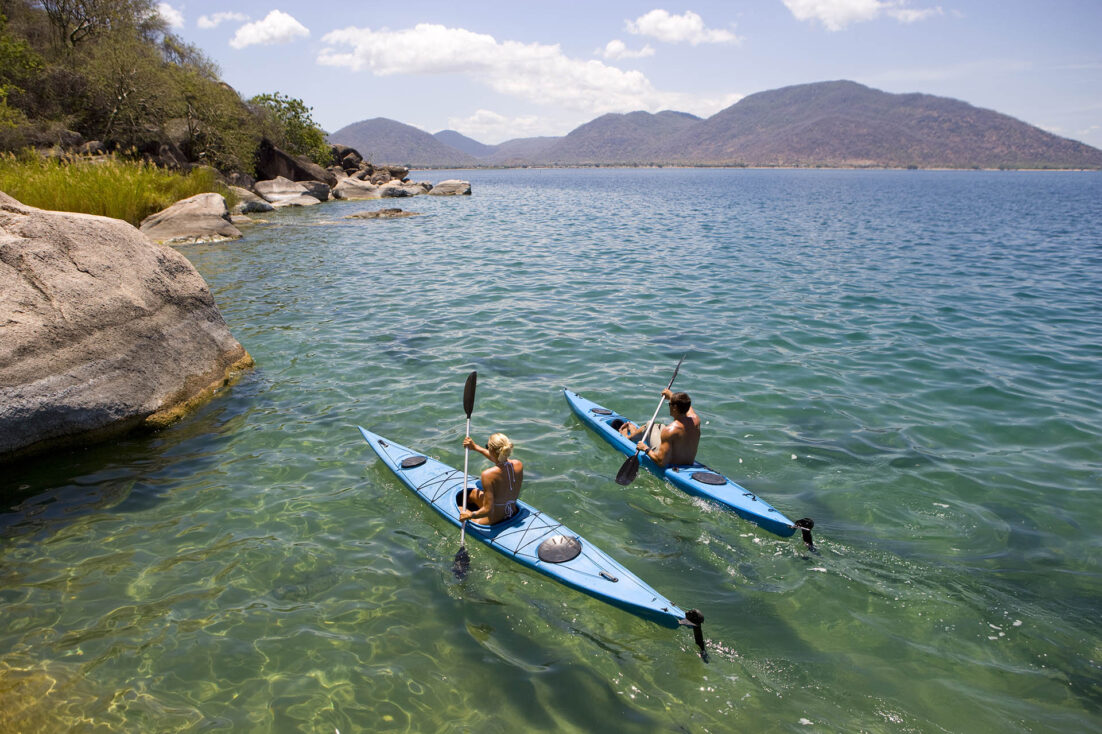
For those seeking adventure, kayaking along the lakeshore provides access to remote fishing villages, hidden beaches, and opportunities to witness traditional life along the water’s edge. Multi-day kayaking expeditions allow you to camp on deserted beaches and wake up to sunrise over the lake. This is an experience that epitomizes the freedom and beauty that defines travel in Malawi.
Wildlife Encounters Without the Crowds
When people ask is Malawi worth visiting for wildlife, they’re often surprised to learn that despite being one of Africa’s smallest countries, Malawi punches well above its weight in terms of biodiversity and conservation success stories.
Liwonde National Park has undergone a remarkable transformation in recent years, thanks to African Parks’ management. Elephant populations have rebounded, lions have been reintroduced, and the park now offers exceptional game viewing along the Shire River. Unlike the Serengeti or Kruger, you might be one of only a handful of vehicles in the entire park, creating an intimate wildlife experience that feels exclusive and personal.
Majete Wildlife Reserve, in southern Malawi, represents one of Africa’s greatest conservation success stories. Once poached to near extinction, the park has been completely restocked with the Big Five and now offers incredible wildlife sightings in a fraction of the space of larger reserves. The compact nature of Majete means game drives are incredibly productive, and the lack of crowds ensures every sighting feels special.
For those interested in primates, Nyika National Park in the north offers the chance to trek through montane grasslands in search of the rare Nyika red duiker and to spot leopards, hyenas, and over 400 bird species. The park’s rolling hills and wildflower meadows create landscapes unlike anywhere else in Africa.
Cultural Authenticity and Community Tourism
Perhaps the most compelling reason why is Malawi worth visiting can be answered with a resounding yes is the genuine warmth of its people. Malawians aren’t friendly because of tourism; they’re friendly because hospitality is woven into the cultural fabric.
Community-based tourism initiatives throughout the country allow travelers to engage meaningfully with local life. In villages around Lake Malawi, you can learn traditional fishing techniques, participate in village dances, or help with community projects. These aren’t staged tourist shows but genuine invitations into everyday life.
The capital, Lilongwe, and the former capital, Blantyre, offer insights into urban Malawian life. Markets burst with colorful fabrics, fresh produce, and handcrafted goods. Art galleries showcase the work of local painters and sculptors, while restaurants serve up chambo (a delicious local fish) and nsima, the staple corn porridge that accompanies most Malawian meals.
Visiting Malawi’s cultural heritage sites, such as the Chongoni Rock Art Area, another UNESCO World Heritage Site, provides perspective on human history stretching back thousands of years. The rock paintings created by BaTwa hunter-gatherers and later by Chewa agriculturalists offer a window into ancient spiritual practices and daily life.
Adventure Activities for Every Interest
Beyond wildlife and beaches, Malawi offers diverse adventure opportunities that cater to different interests and fitness levels.
Hiking enthusiasts will find paradise in the highlands. Mount Mulanje, a massive granite massif rising over 9,800 feet, offers some of southern Africa’s best hiking. Multi-day treks take you through valleys, past waterfalls, and up to peaks with panoramic views. The Zomba Plateau provides easier walks through pine forests and along cliff edges, with accommodation options ranging from rustic to comfortable.
For adrenaline seekers, white-water rafting on the Shire River provides class III and IV rapids in a stunning setting. Mountain biking trails wind through tea estates and rural villages, offering both physical challenge and cultural immersion.
Rock climbing on the granite faces of Mulanje and Zomba is gaining popularity, with routes suitable for beginners and experienced climbers alike. The combination of challenging climbs and spectacular scenery makes Malawi an emerging destination for climbing enthusiasts.
Reasons Why Malawi Should Be on Your 2026 List
Beyond the experiential reasons, there are compelling practical factors that answer the question is Malawi worth visiting in 2026 specifically.
Affordability: Malawi remains one of Africa’s most budget-friendly destinations. Accommodation, food, and activities cost significantly less than in neighboring countries or famous safari destinations. A week-long trip that might cost $5,000 in Tanzania or Botswana can be accomplished for half that in Malawi, without sacrificing quality or experience.
Accessibility: New flight routes and improved infrastructure are making Malawi easier to reach. Chileka International Airport near Blantyre and Kamuzu International Airport in Lilongwe now connect to major regional hubs. Once in country, improved roads make traveling between destinations more comfortable than ever before.
Safety: Malawi is one of Africa’s safest countries for travelers. Violent crime against tourists is rare, and the country has a stable political environment. The usual precautions apply, but travelers consistently report feeling safe throughout their journey.
Sustainable Tourism: Malawi’s tourism industry is developing with sustainability in mind. Community-owned lodges, conservation-focused operators, and eco-friendly accommodations ensure that your tourism dollars directly benefit local communities and conservation efforts. In 2026, as travelers become more conscious of their impact, Malawi offers a way to travel responsibly without compromising on experience.
Less Crowded: While other African destinations struggle with overtourism, Malawi remains blissfully uncrowded. National parks, beaches, and attractions rarely feel congested, allowing for more authentic and peaceful experiences. This won’t last forever—savvy travelers are already discovering what Malawi has to offer.

When to Visit Malawi in 2026
Timing your visit can enhance your experience. The dry season, from May to October, offers the best wildlife viewing as animals congregate around water sources. This period also provides perfect weather for hiking and beach activities, with clear skies and comfortable temperatures.
The wet season, from November to April, transforms the landscape into a lush green paradise. While some roads become challenging and wildlife more dispersed, this season offers dramatic scenery, fewer tourists, and the best conditions for birdwatching. Migratory species arrive, and resident birds display their breeding plumage, creating spectacular viewing opportunities.
For budget travelers, visiting during the shoulder seasons of late April-May or October-November can yield significant savings on accommodation while still offering good weather and wildlife sightings.
Sample Itinerary: Two Weeks in Malawi
To give you a concrete sense of what a Malawi adventure might look like, here’s a suggested two-week itinerary:
Days 1-2: Arrive in Lilongwe, explore the capital, and visit the wildlife sanctuary. Acclimatize and prepare for your journey.
Days 3-5: Travel to Lake Malawi National Park. Snorkel among cichlids, kayak to remote beaches, and relax in paradise. Stay in budget-friendly backpacker lodges or mid-range beach resorts.
Days 6-8: Head south to Liwonde National Park. Take boat safaris on the Shire River, spot elephants coming to drink, and enjoy sunset game drives. This is prime wildlife viewing territory.
Days 9-10: Visit Zomba Plateau for hiking and stunning views. The cooler mountain air provides a refreshing change from the lakeshore heat.
Days 11-13: Journey to Majete Wildlife Reserve for Big Five safaris in an uncrowded setting. The compact park ensures excellent sightings.
Day 14: Return to Blantyre for last-minute shopping at the local markets before your flight home.
This itinerary balances wildlife, adventure, culture, and relaxation while remaining logistically feasible and affordable.
Before You Go
If you’re seeking authentic African experiences, stunning natural beauty, meaningful wildlife encounters, and genuine cultural connections, all at an affordable price and without the crowds, then Malawi absolutely deserves a spot on your 2026 travel list.
This is a destination that rewards curious, open-minded travelers who value substance over Instagram-perfect moments (though you’ll get plenty of those too). It’s for people who want their travel dollars to make a difference, who appreciate being treated as guests rather than customers, and who seek the kind of travel experiences that restore faith in the beauty of our world and the goodness of its people.
Malawi won’t stay off the radar forever. Conservation successes are drawing attention, travel influencers are starting to discover its charms, and infrastructure improvements are making it more accessible. Visit in 2026, while it still feels like a secret, and you’ll be part of that rare group of travelers who can say they discovered Malawi before the crowds did.