Botswana stands as one of Africa’s premier wildlife photography destinations, offering photographers unparalleled access to pristine wilderness and extraordinary wildlife encounters. With its commitment to low-impact, high-value tourism, this landlocked Southern African nation provides intimate safari experiences that are perfect for capturing stunning wildlife imagery.
Whether you’re a professional photographer or an enthusiastic amateur, discovering the best destinations for photographic safaris in Botswana will transform your portfolio and create memories that last a lifetime.
Why Botswana is a Photographer’s Dream
Before exploring specific locations, it’s worth understanding what makes Botswana exceptional for wildlife photography. The country has protected nearly 40% of its land for wildlife conservation, creating vast wilderness areas where animals roam freely in their natural habitats.
Unlike some African destinations where crowded game vehicles compete for animal sightings, Botswana’s exclusive concession system ensures fewer tourists, meaning you’ll often have extraordinary wildlife encounters all to yourself.
The country’s diverse ecosystems range from the waterways of the Okavango Delta to the arid landscapes of the Kalahari Desert, providing varied backdrops and lighting conditions that enhance photographic creativity.
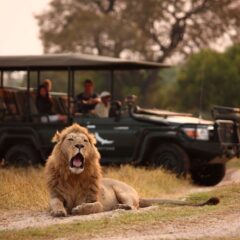
Additionally, many safari operators in Botswana specialize in photographic safaris, offering specialized vehicles with 360-degree views, beanbag supports, and knowledgeable guides who understand the importance of positioning and lighting.
1. Okavango Delta: The Jewel of Botswana
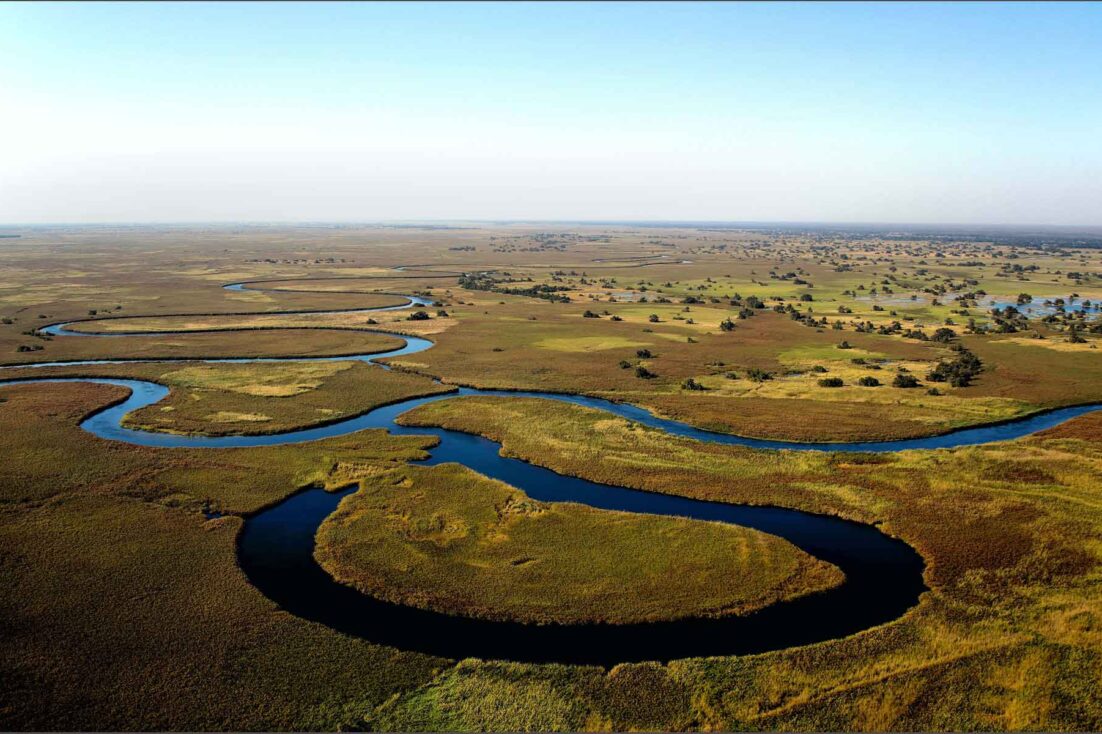
The Okavango Delta deservedly claims its position among the best destinations for photographic safaris in Botswana. This UNESCO World Heritage Site is one of the world’s largest inland deltas, where the Okavango River fans out across the Kalahari sands, creating a lush oasis that attracts incredible concentrations of wildlife.
The delta’s unique landscape offers photographers extraordinary compositional opportunities. Picture elephants wading through lily-covered channels, their reflections perfectly mirrored in still waters. Imagine capturing a leopard draped across a sausage tree branch, backlit by the golden afternoon sun. The Okavango delivers these moments with remarkable frequency.
Best Photography Opportunities in the Okavango
The delta’s water-based safaris provide unique perspectives rarely available elsewhere. Mokoro (traditional dugout canoe) excursions position you at water level, perfect for capturing intimate, eye-level images of wildlife coming to drink or wading birds hunting in the shallows. The red lechwe antelope, endemic to the region, makes particularly striking subjects as they bound through shallow waters.
Birding photographers will find paradise here, with over 400 bird species recorded. The delta hosts everything from the enormous Goliath heron to the jewel-toned malachite kingfisher. The African fish eagle, perched prominently on dead tree branches, provides iconic African imagery.
The interplay of light and water creates exceptional golden hour photography. Early morning mists rising from the channels add atmospheric depth to images, while sunset reflections transform the waterways into liquid gold. Professional photographers often schedule their visits between May and September when water levels are highest and wildlife concentrations are peak.
2. Chobe National Park: Elephant Photography Central
Chobe National Park, particularly the Chobe Riverfront area, offers some of Africa’s most spectacular elephant photography opportunities. Home to an estimated 120,000 elephants, Chobe provides virtually guaranteed sightings of these magnificent pachyderms, often in huge herds.
The riverfront location creates dramatic scenes as elephant families gather to drink, bathe, and socialize. The best photography happens during the dry season (May through October) when animals concentrate along the Chobe River. Large herds crossing the river at sunset create breathtaking silhouettes against vibrant African skies.
Best Photography Opportunities in Chobe
River-based game viewing in Chobe offers unique angles impossible from land vehicles. Boat safaris allow photographers to approach wildlife from unexpected perspectives, capturing behavioral moments as animals interact with the water. The ability to maneuver boats for optimal lighting positions gives photographers creative control over their compositions.
Beyond elephants, Chobe supports dense populations of buffalo, often numbering in the thousands in single herds. These mega-herds create dramatic, wildlife documentary-style images. The park also hosts healthy populations of lions, leopards, and spotted hyenas, along with rare species like puku antelope and chestnut-mantle baboons.
Bird photographers will appreciate Chobe’s raptor populations. African fish eagles are abundant along the river, while martial eagles and bateleur eagles patrol the skies. Carmine bee-eaters, which breed in the riverbanks during September and October, offer spectacular photography opportunities as hundreds of these brilliantly colored birds swirl through the air.
3. Moremi Game Reserve: Predator Photography Paradise
Located in the eastern Okavango Delta, Moremi Game Reserve combines the delta’s water-rich environments with drier woodland areas, creating diverse habitats that support exceptional predator densities. This makes Moremi one of the best destinations for photographic safaris in Botswana, particularly for those seeking big cat imagery.
Related Post: 13 Best Hiking Destinations in Africa
Moremi is renowned for its leopard sightings. The reserve’s mix of riparian forests and open floodplains provides ideal leopard habitat, and these normally elusive cats have become relatively habituated to safari vehicles. Patient photographers willing to spend hours tracking can capture extraordinary behavioral sequences of these magnificent predators.
Best Photography Opportunities in Moremi
The reserve’s lion prides are particularly photogenic, often hunting in the open grasslands where photographers can document entire sequences from stalking through the final takedown. The combination of wetland and savanna creates interesting compositional elements—lions silhouetted against water, or cubs playing on termite mounds with flood plains stretching to the horizon.
Wild dogs, Africa’s most endangered large carnivores, find refuge in Moremi. These highly social predators provide dynamic action photography as packs cooperate to hunt impala and other prey. Their multi-colored coats and expressive faces make them incredibly photogenic subjects.
The reserve’s diverse landscapes allow photographers to capture varied environmental portraits. From the Khwai River’s pools to the Mopane woodlands, from open grasslands to palm islands, Moremi offers backgrounds that prevent safari images from feeling repetitive. The Third Bridge area is particularly scenic, with beautiful light conditions during golden hours.
4. Savuti: Dramatic Landscapes and Unique Wildlife Behaviors
The Savuti region of Chobe National Park presents photographers with dramatically different conditions than the waterways elsewhere in Botswana. This semi-arid area, characterized by the enigmatic Savuti Channel (which flows and dries unpredictably), creates a harsh environment where wildlife has adapted in fascinating ways.
Savuti gained fame for its elephant-hunting lions, where prides specialized in bringing down young elephants—behavior rarely documented elsewhere. While this specific phenomenon has waned, Savuti’s lions remain particularly bold and photogenic. The open grasslands and sparse vegetation make predator-prey interactions more visible than in dense bush areas.
Best Photography Opportunities in Savuti
The stark landscapes of Savuti create powerful, minimalist compositions. Dead trees punctuate the horizon, providing perches for raptors and vultures. The famous Savuti Marsh, when dry, becomes a dusty plain where wildlife movements kick up atmospheric dust clouds, perfect for dramatic backlit photography.
Large zebra and wildebeest migrations pass through Savuti, creating opportunities for migration photography without the crowds associated with East Africa’s more famous movements. The concentration of herbivores attracts predators, leading to increased hunting activity and behavioral photography opportunities.
Rock formations like the Gubatsa Hills provide elevated vantage points for landscape photography, allowing photographers to capture sweeping vistas of the African wilderness. These ancient rocks also harbor ancient San rock art, adding cultural elements to photographic storytelling.
5. Makgadikgadi Pans: Surreal Landscapes and Seasonal Spectacles
For photographers seeking truly unique imagery, the Makgadikgadi Pans offer otherworldly landscapes unlike anywhere else in Botswana. These vast salt pans, remnants of an ancient super-lake, stretch to the horizon in an endless white expanse during the dry season, creating minimalist compositions with graphic simplicity.
The transformation during the wet season (November through March) is spectacular. Rain floods the pans, attracting one of Africa’s largest zebra migrations—up to 30,000 animals accompanied by predators. The shallow waters create perfect mirror reflections, and pink flamingos arrive in their thousands, creating surreal pink horizons.
Best Photographic Opportunities in Makgadikgadi
The stark contrast between dry and wet seasons offers photographers two completely different environments in one location. Dry season photography emphasizes the otherworldly emptiness, with lone baobab trees or meerkats providing scale against infinite horizons. The white pans reflect intense light, creating high-key images with unusual tonal qualities.
Wet season photography captures abundance and reflection. Flamingos feeding in shallow waters, zebra herds reflected in temporary lakes, and storm clouds gathering over endless horizons provide dramatic environmental portraits. The light quality during dramatic weather creates exceptional atmospheric conditions.
Ntwetwe Pan, one of the largest salt pans, offers opportunities to photograph desert-adapted species like brown hyenas and aardvarks. Chapman’s Baobab, though recently collapsed, represented iconic photography locations, and other ancient baobabs throughout the area continue providing powerful foreground elements for landscape imagery.
6. Central Kalahari Game Reserve: Remote Wilderness Photography
The Central Kalahari Game Reserve, one of the world’s largest protected areas, offers photographers willing to venture off the beaten path exceptional rewards. This remote wilderness showcases the Kalahari Desert ecosystem, with its honey-colored grasses, ancient riverbeds, and specially adapted wildlife.
The reserve’s remoteness guarantees solitude. You may go days without seeing another vehicle. This exclusivity allows undisturbed observation and photography of natural behaviors. The Kalahari’s black-maned lions are particularly photogenic, and the open terrain facilitates easier tracking and photographing of these magnificent predators.
Best Photography Opportunities in Central Kalahari
The Central Kalahari excels for photographers interested in desert-adapted species. Gemsbok (oryx) with their striking facial markings and long straight horns create graphic compositions against dune backdrops. Springbok pronking (jumping) across the plains provides action photography opportunities, while bat-eared foxes and Cape foxes offer smaller mammal subjects.
The Deception Valley, an ancient riverbed running through the reserve, concentrates wildlife and provides the best game viewing and photography opportunities. The valley’s open grasslands allow photographers to capture environmental portraits showing animals in context with the dramatic Kalahari landscape.
Starscape photography opportunities in the Kalahari are exceptional. With virtually no light pollution and clear desert skies, nighttime photography reveals the Milky Way in stunning detail. Silhouetting camelthorn acacias against the star-filled sky creates powerful images that showcase the Kalahari’s night-time beauty.
How to Plan A Photographic Safari in Botswana
When planning your trip to these best destinations for photographic safaris in Botswana, several practical considerations will maximize your photographic success. The dry season (May through October) generally offers the best game viewing as animals concentrate around water sources. However, the wet season (November through April) provides lush landscapes, dramatic skies, and excellent birding photography.
Equipment considerations for Botswana include versatile zoom lenses in the 100-400mm or 150-600mm range for wildlife, while a wide-angle lens (16-35mm) captures environmental portraits and landscapes. A sturdy beanbag provides essential stability from safari vehicles. Weather-sealing on camera bodies protects against Botswana’s fine dust, which permeates everything during the dry season.
Choosing specialized photographic safari operators ensures guides understand photographers’ needs regarding lighting, positioning, and patience. Many lodges now offer photographic hides positioned at waterholes, allowing controlled conditions for close-up photography as animals approach to drink.
Before You Go
Botswana’s diverse ecosystems and commitment to conservation create ideal conditions for wildlife photography at the highest level. From the waterways of the Okavango Delta to the vast salt pans of Makgadikgadi, from the elephant herds of Chobe to the predator-rich plains of Moremi and Savuti, Botswana delivers consistently exceptional photographic opportunities.
The country’s low-volume, high-quality tourism model ensures uncrowded conditions where photographers can work without distraction, creating truly intimate connections with wildlife subjects. For photographers seeking to capture Africa’s wilderness in all its glory, Botswana’s remarkable destinations promise images that will define portfolios and inspire viewers for generations to come.