The Congo Basin stands as one of Earth’s most remarkable natural wonders, a vast expanse of tropical rainforest that pulses with life in the heart of Africa. While the Amazon often captures global attention, the Congo Basin remains equally vital to our planet’s health and harbors mysteries that continue to fascinate scientists, conservationists, and nature enthusiasts worldwide.
This ancient ecosystem, spanning six countries and covering millions of square kilometers, plays an irreplaceable role in regulating global climate, supporting incredible biodiversity, and sustaining millions of human lives.
The Sheer Scale of the Congo Basin
When exploring facts about the Congo Basin, perhaps the most striking is its immense size. This tropical rainforest encompasses approximately 500 million acres (roughly 3.7 million square kilometers), making it the world’s second-largest rainforest after the Amazon. The basin stretches across six African nations: the Democratic Republic of Congo (which contains the largest portion), the Republic of Congo, Cameroon, the Central African Republic, Equatorial Guinea, and Gabon.
Related Post: Safest African Countries for Tourists
The Congo River, which gives the basin its name, is the world’s deepest river, reaching depths of over 720 feet in some areas. At approximately 2,920 miles long, it’s also the world’s ninth-longest river and the second-largest by discharge volume, pumping roughly 1.5 million cubic feet of water per second into the Atlantic Ocean. This massive river system and its tributaries form the lifeblood of the basin, creating a complex network of waterways that snake through dense jungle.
A Biodiversity Hotspot Unlike Any Other
The biological wealth contained within the Congo Basin defies easy description. This rainforest is home to over 10,000 species of tropical plants, 1,000 bird species, and 400 mammal species. Among these are some of the world’s most iconic and endangered animals, including forest elephants, mountain gorillas, lowland gorillas, bonobos, chimpanzees, and okapi, a relative of the giraffe found nowhere else on Earth.
The forest harbors an estimated 1,000 species of amphibians and reptiles, with new species being discovered regularly. Scientists believe that thousands of plant and animal species in the Congo Basin remain undocumented, making it one of the planet’s last great frontiers for biological discovery. The dense canopy, remote locations, and challenging terrain mean that researchers have only begun to catalog the full extent of life thriving in this ecosystem.
The Congo Basin also supports exceptional fish diversity, with the Congo River system containing approximately 700 fish species, many of which are endemic. This aquatic biodiversity rivals even the Amazon in certain respects, showcasing the basin’s importance not just as a terrestrial ecosystem but as a freshwater one as well.
The Congo Basin’s Unique Forest Structure and Canopy Layers
Unlike many other rainforests, the Congo Basin features a distinctive multi-layered canopy structure that creates diverse microhabitats throughout its vertical profile. The emergent layer towers up to 200 feet above the forest floor, where giant hardwood trees like African mahoganies break through the main canopy to capture direct sunlight.
Below this, the dense primary canopy forms a nearly continuous blanket of foliage at 100-130 feet, intercepting up to 95% of incoming sunlight. The understory layer hosts shade-tolerant trees, ferns, and shrubs, while the forest floor remains surprisingly open in old-growth areas, carpeted with decomposing organic matter that rapidly recycles nutrients.
This stratification supports specialized wildlife adapted to each level, from canopy-dwelling monkeys and birds to ground-dwelling forest elephants and bongos. The forest’s structure also influences local temperature and humidity, creating cooler, more stable conditions that buffer against climate extremes and maintain the ecosystem’s remarkable biodiversity across all vertical zones.
Climate Regulation and the Planet’s Second Lung
Often called “the planet’s second lung” alongside the Amazon, the Congo Basin plays a critical role in global climate regulation. The rainforest absorbs enormous quantities of carbon dioxide from the atmosphere, storing an estimated 30 billion tons of carbon in its trees and soil. This makes it one of the world’s most important carbon sinks, helping to slow the pace of climate change.
The forest generates its own weather patterns through a process called evapotranspiration, where trees release water vapor into the atmosphere. This moisture becomes rainfall that sustains not only the Congo Basin itself but also affects precipitation patterns across Africa and even globally. The forest produces approximately 50% of its own rainfall through this process, creating a self-sustaining hydrological cycle.
Research has shown that the Congo Basin’s forests have been more resilient to climate change than the Amazon, continuing to absorb carbon at significant rates. However, this resilience is being tested by increasing temperatures, changing rainfall patterns, and human activities, making conservation efforts more urgent than ever.
Indigenous Peoples and Forest Communities
Among the most important facts about the Congo Basin is that it’s not uninhabited wilderness. It is home to approximately 75 million people, including numerous indigenous communities who have lived in harmony with the forest for thousands of years. The Pygmy peoples, including groups such as the Mbuti, Baka, and Twa, have particularly deep connections to the forest, possessing extensive traditional knowledge about plants, animals, and sustainable forest management.
These indigenous communities have developed sophisticated understanding of the forest ecosystem, including medicinal uses for thousands of plant species, sustainable hunting practices, and navigation techniques that allow them to thrive in what outsiders might consider impenetrable jungle. Their traditional territories and way of life are increasingly threatened by deforestation, commercial activities, and lack of legal recognition of their land rights.
Beyond indigenous groups, millions of other people depend directly on the Congo Basin for their livelihoods, relying on the forest for food, medicine, building materials, and income. The bushmeat trade, while controversial from a conservation standpoint, provides essential protein for countless families, highlighting the complex relationship between human needs and forest preservation.
Threats Facing the Congo Basin
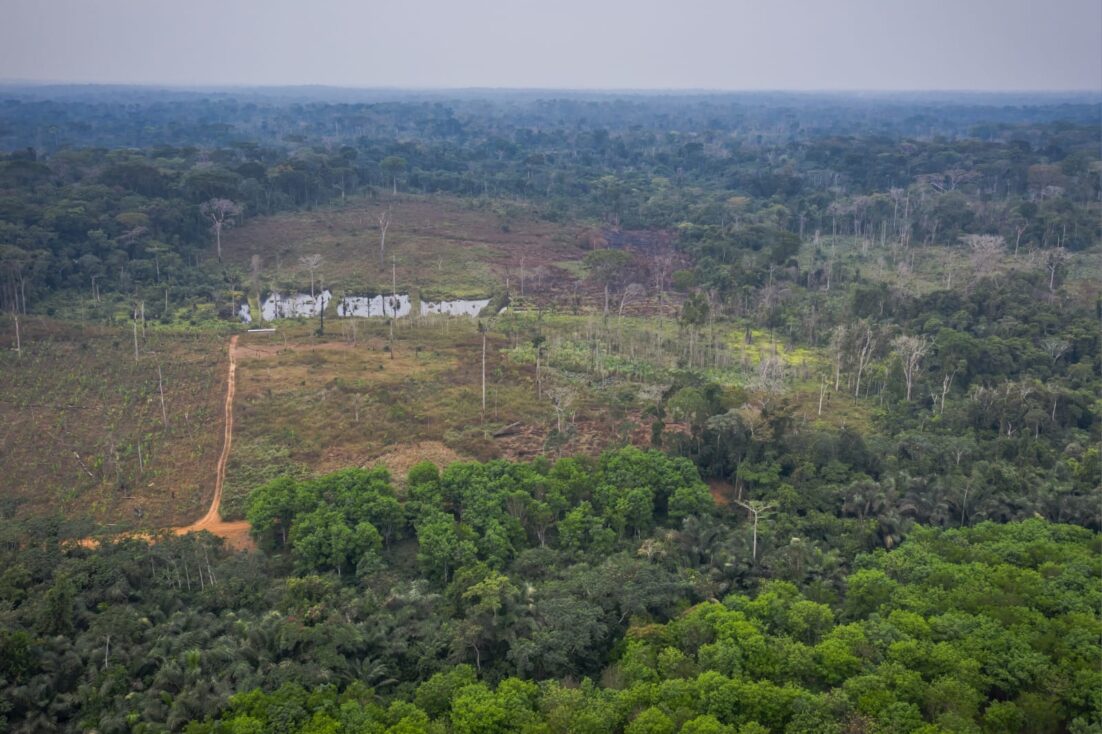
Despite its vast size and remote locations, the Congo Basin faces mounting pressures from multiple directions. Industrial logging operations clear thousands of hectares annually, with both legal and illegal logging contributing to forest degradation. Mining activities for minerals like cobalt, coltan, diamonds, and gold create environmental damage and fragment habitat, while also driving road construction that opens previously inaccessible areas to exploitation.
Agricultural expansion, particularly for palm oil plantations and subsistence farming, continues to convert forest to farmland. As populations grow and poverty persists, the pressure to clear forest for agriculture intensifies. Additionally, the bushmeat trade, while culturally significant and providing needed nutrition, has become unsustainable in some areas, threatening species like forest elephants and great apes.

Climate change itself poses an existential threat. Rising temperatures and altered rainfall patterns could fundamentally change the forest’s composition and resilience. Some models suggest that portions of the Congo Basin could transition from rainforest to savanna if current trends continue, which would release enormous amounts of stored carbon into the atmosphere and accelerate global warming.
Political instability and armed conflict in parts of the region have complicated conservation efforts while simultaneously making some areas so dangerous that they remain accidentally protected. Weak governance, corruption, and lack of resources for park rangers and environmental monitoring create additional challenges for those working to preserve the forest.
Conservation Efforts and Hope for the Future
Despite these challenges, numerous initiatives are working to protect the Congo Basin. Several countries have established national parks and protected areas, with places like Virunga National Park in the Democratic Republic of Congo gaining international recognition for their conservation work, particularly with mountain gorillas.
International organizations, local NGOs, and governments are collaborating on conservation programs that emphasize community involvement and sustainable development. These initiatives recognize that conservation cannot succeed without addressing the needs and rights of local populations. Programs focusing on ecotourism, sustainable forestry, and alternative livelihoods aim to create economic incentives for preservation.
The Central African Forest Initiative (CAFI) brings together governments and international partners to reduce deforestation while supporting sustainable development. Various carbon credit programs are being developed to compensate countries for preserving forest and sequestering carbon, though these remain controversial and their long-term effectiveness is debated.
Scientific research continues to reveal new facts about the Congo Basin, improving understanding of its ecology and informing conservation strategies. Remote sensing technology, camera traps, and genetic studies are providing unprecedented insights into forest dynamics and wildlife populations, even in the most inaccessible areas.
Why the Congo Basin Matters to Everyone
The Congo Basin’s importance extends far beyond Central Africa. Its role in carbon storage and climate regulation affects every person on Earth. The biodiversity it harbors represents irreplaceable genetic resources that could hold keys to medical breakthroughs or agricultural innovations. The traditional knowledge preserved by indigenous communities offers insights into sustainable living that could benefit humanity broadly.
Furthermore, the Congo Basin serves as a critical case study in the challenge of balancing conservation with development and human needs. How the world addresses the future of this rainforest will likely influence approaches to other threatened ecosystems globally. Success or failure here will reverberate through international conservation efforts for decades.
Final Thoughts
The facts about the Congo Basin paint a picture of an ecosystem that is both resilient and vulnerable, ancient and rapidly changing, locally significant and globally critical. As the world grapples with climate change, biodiversity loss, and sustainable development, this vast rainforest stands at a crossroads. The decisions made in the coming years about how to protect, manage, and value the Congo Basin will determine not only the fate of countless species and communities but will also significantly influence the planet’s environmental future. Understanding and appreciating the true significance of this remarkable place is the first step toward ensuring it continues to thrive for generations to come.