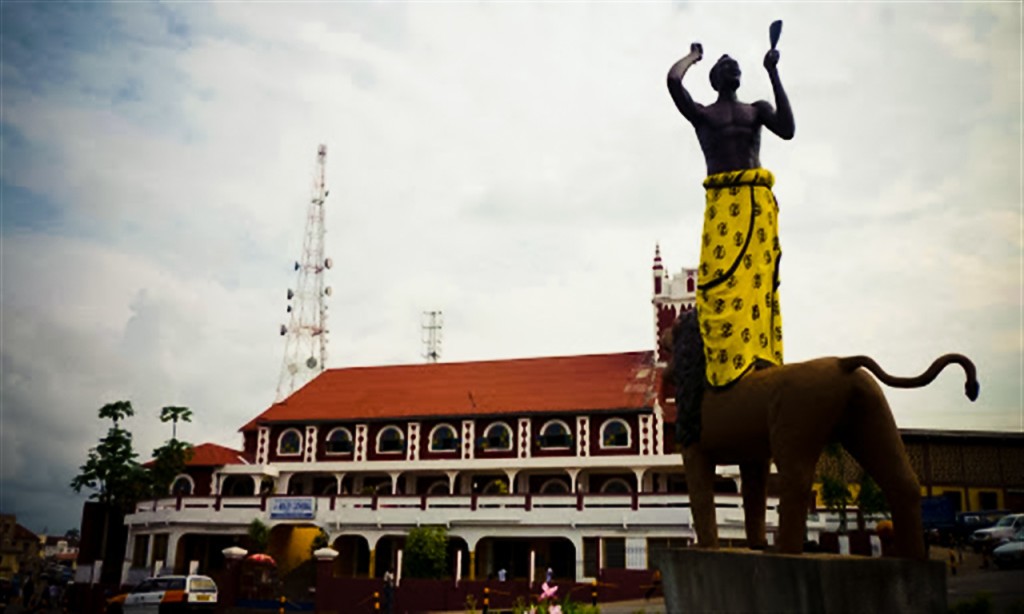
Are you planning a trip to Ghana anytime soon? If yes, you should read this before you go.
Ghana, known for its rich cultural heritage,vibrant markets, and warm hospitality is without doubt, one of the most welcoming destinations for tourists in West Africa. However, keeping a few things in mind before booking that flight can make all the difference in your trip.
In this article, we will explore all the important things to know before you visit Ghana, to ensure that your time there is exciting and memorable.
Visa Requirements and Entry Procedures for Ghana
Most international visitors require a visa to enter Ghana. Citizens from ECOWAS (Economic Community of West African States) member countries can enter visa-free, while travelers from certain nations may obtain a visa on arrival.
However, most visitors should apply for their visa before departure through the nearest Ghanaian embassy or consulate, or utilize Ghana’s e-visa system, which has streamlined the application process significantly.
The e-visa typically takes three to five business days to process, though applying at least two weeks before your planned departure is advisable. You’ll need a passport valid for at least six months beyond your intended stay, a recent passport photograph, proof of yellow fever vaccination, and evidence of accommodation arrangements.
It’s important that you keep multiple copies of your important documents, including your passport, visa, and vaccination certificates, as you may need to present them at various checkpoints.
What are the Health Precautions and Vaccinations to take?
Health precautions and vaccinations are also some of the things to know before you visit Ghana. Yellow fever vaccination is mandatory for entry into Ghana, and you must present your yellow fever certificate upon arrival. This requirement is strictly enforced, so ensure that you receive the vaccination at least ten days before your trip to allow it to become effective.
Malaria is prevalent throughout Ghana, making antimalarial medication essential. Consult your healthcare provider about appropriate prophylaxis options such as Malarone, doxycycline, or mefloquine.
Beyond medication, bring insect repellent containing DEET, wear long-sleeved clothing during dawn and dusk when mosquitoes are most active, and sleep under mosquito nets when available.
Additional recommended vaccinations include hepatitis A and B, typhoid, meningitis, and routine immunizations. Tap water is generally unsafe to drink, so stick to bottled or filtered water throughout your stay.
Many travelers experience mild stomach upset during their first few days as their digestive systems adjust to new bacteria and different cuisine, so pack over-the-counter remedies and consider bringing rehydration salts.
What do I need to know about Money in Ghana?
Ghana’s official currency is the Ghanaian Cedi (GHS), commonly represented by the symbol ₵. While US dollars and British pounds are widely accepted at hotels and some tourist establishments, you’ll need local currency for markets, street food, transportation, and most everyday transactions.
ATMs are readily available in major cities like Accra, Kumasi, and Tamatale, though they can be scarce in rural areas. Inform your bank about your travel plans to avoid card blocks, and carry multiple payment options including a backup card. Credit cards are accepted at upscale hotels, restaurants, and some shops, but cash remains king in Ghana.
Exchange rates at official bureaus de change (forex bureaus) are typically more favorable than at airports or hotels. Avoid changing money with unauthorized street vendors, as counterfeit notes and scams are risks.
Small denominations are particularly useful for tipping, taxis, and market purchases, as vendors often struggle to provide change for large bills.
What does Ghana Climate feel like?
Ghana experiences a tropical climate with two distinct seasons: wet and dry. The dry season, running from November through March, offers the most comfortable weather for visitors, with lower humidity and minimal rainfall.
The wet season spans April through October, bringing afternoon showers and higher humidity, particularly intense from May to July.
Pack lightweight, breathable clothing in natural fabrics like cotton and linen. Modest dress is appreciated, especially when visiting rural areas or religious sites. Women should bring clothing that covers shoulders and knees for such occasions. A light rain jacket or umbrella proves invaluable regardless of season, and comfortable walking shoes are essential for exploring cities and historical sites.
Also, don’t forget sunscreen with high SPF, sunglasses, a wide-brimmed hat, and a reusable water bottle. A small daypack, portable phone charger, and travel adapter (Ghana uses UK-style Type D and G plugs with 230V) complete your essential packing list.
What is the Official Language in Ghana?
English is Ghana’s official language, making it one of Africa’s most accessible destinations for English-speaking travelers. This legacy of British colonial rule means you can navigate, negotiate, and communicate with relative ease throughout the country.
However, Ghana is home to over 80 indigenous languages, with Akan (including Twi and Fante dialects), Ga, Ewe, and Dagbani being the most widely spoken.
Learning a few basic phrases in Twi, the most common local language, will endear you to locals and enhance your cultural experience. Simple greetings like “Akwaaba” (welcome), “Medaase” (thank you), and “Ete sen?” (how are you?) go a long way in building rapport.
In fact, many Ghanaians genuinely appreciate when visitors make the effort to engage with their languages and culture.
How do I move around in Ghana?
Ghana offers various transportation options to suit different budgets and comfort levels. Domestic flights connect Accra to Kumasi and Tamatale, saving time on long journeys. For ground transportation, you can choose between taxis, rideshare services (Uber and Bolt operate in major cities), tro-tros (shared minibuses), and intercity buses.
Tro-tros provide the most authentic and economical way to travel but can be crowded and uncomfortable on long journeys. VIP and STC buses offer more comfortable intercity travel with air conditioning and assigned seating at reasonable prices.
For flexibility and convenience, hiring a private driver or renting a car with a driver is worthwhile, especially if visiting multiple destinations. Road conditions vary significantly, with major highways generally well-maintained while rural roads can be challenging, particularly during the rainy season.
Traffic in Accra can be notoriously congested, especially during rush hours. Plan accordingly and allow extra time for airport transfers and important appointments. Always negotiate taxi fares before entering the vehicle or insist on using the meter if available.
What is Accommodation in Ghana like?
Ghana’s accommodation scene has expanded so well, offering everything from budget hostels to luxury beach resorts and boutique hotels. Accra boasts international chain hotels, stylish guesthouses, and beachfront properties along the Labadi and Kokrobite coastlines.
Cape Coast and Elmina provide charming options near the historic slave castles, while Kumasi offers comfortable hotels convenient for exploring Ashanti culture.
For unique experiences, consider eco-lodges in Kakum National Park, traditional Ashanti guesthouses, or beachside bungalows along Ghana’s pristine coastline. Booking accommodation in advance is recommended, particularly during peak season (December through February) and major holidays when availability becomes limited and prices increase.
What are the Culture and Customs of the Ghanaian People?
Ghanaians are renowned for their warmth and hospitality, but understanding local customs enhances interactions and shows respect. Greetings are extremely important in Ghanaian culture.
Always greet people before starting conversations or transactions, with handshakes being the standard form of greeting. The left hand is considered unclean, so use your right hand for eating, greeting, and giving or receiving items.

Photography etiquette matters greatly. Always ask permission before photographing people, and be particularly sensitive around religious sites, government buildings, and military installations. Some locals may request payment for photographs, especially in tourist areas.
Respect for elders is fundamental in Ghanaian society. Stand when an elder enters the room, address them respectfully, and listen attentively when they speak. Religious life plays a significant role, with Christianity and Islam being the predominant faiths. Dress modestly when visiting religious sites and during community events.
Bargaining is expected and enjoyable at markets and with street vendors, but approach it as a friendly negotiation rather than an aggressive confrontation. Start at about 50-60% of the asking price and work toward a mutually agreeable amount. However, prices at established shops, restaurants, and supermarkets are generally fixed.
How do I stay safe in the country?
Ghana is widely regarded as one of Africa’s safest countries for travelers, with a stable democracy and relatively low crime rates compared to regional neighbors. However, exercising common sense precautions is essential.
There are usually reports of petty theft, particularly in crowded markets and tourist areas, so keep your valuables secure, avoid displaying expensive jewelry or electronics, and use hotel safes when available.
After dark, stick to well-lit, populated areas and use registered taxis or rideshare services rather than walking. Be cautious of overly friendly strangers offering unsolicited help or bargains, as scams targeting tourists do exist. Avoid political demonstrations or large gatherings, though Ghana’s political climate is generally stable.
Coastal currents along Ghana’s Atlantic beaches are notoriously strong and dangerous. Multiple drownings occur annually, even at popular beaches. Only swim in designated areas with lifeguards present, heed warning flags, and never swim alone or under the influence of alcohol.
What are the Must-visit Destinations in Ghana?
Ghana’s diverse attractions cater to history enthusiasts, nature lovers, and cultural explorers alike. The Cape Coast and Elmina castles stand as haunting reminders of the transatlantic slave trade, offering profound and emotional experiences that contextualize this dark chapter of history. These UNESCO World Heritage Sites are essential visits for understanding Ghana’s and the world’s shared past.
Kakum National Park features West Africa’s only canopy walkway, suspended 40 meters above the forest floor and offering breathtaking views of the rainforest ecosystem. The Ashanti capital of Kumasi provides insight into one of West Africa’s most powerful historical kingdoms, with the Manhyia Palace Museum and vibrant Kejetia Market showcasing Ashanti culture and craftsmanship.
Mole National Park in northern Ghana offers excellent wildlife viewing opportunities, including elephants, antelopes, baboons, and numerous bird species. The park provides an affordable alternative to East African safaris while supporting conservation efforts. Lake Volta, one of the world’s largest man-made lakes, offers scenic boat trips and fishing villages worth exploring.
Beach lovers should visit Busua, Kokrobite, or the more secluded Ada Foah for pristine coastline, water sports, and fresh seafood. The Volta Region’s Wli Waterfalls, Ghana’s highest waterfall, rewards hikers with stunning natural beauty surrounded by lush forest.
What do People eat in Ghana?
Ghanaian cuisine offers a flavorful adventure that reflects the country’s cultural diversity and agricultural abundance. Staple dishes include jollof rice (a beloved West African rice dish cooked in tomato sauce with spices), fufu (pounded cassava, plantain, or yam served with rich soups), banku (fermented corn and cassava dough), waakye (rice and beans), and kelewele (spicy fried plantains).
Street food forms an integral part of Ghana’s culinary landscape. Adventurous eaters can sample grilled kebabs (kyinkyinga), fried yam chips, roasted plantains, and meat pies from roadside vendors. While street food is generally safe, choose busy stalls with high turnover and ensure food is served hot and freshly prepared.
Restaurants in major cities range from traditional chop bars serving local favorites to international cuisine including Chinese, Lebanese, and Italian options.
Fresh tropical fruits like mangoes, pineapples, papayas, and coconuts are abundant, affordable, and delicious. Try fresh coconut water straight from the nut for a refreshing natural drink.
Before You Go
Ghana offers an incredibly rewarding travel experience that combines historical significance, cultural richness, natural beauty, and genuine hospitality. With this guide telling you things to know before visiting Ghana, you’ll position yourself to fully embrace everything this remarkable West African nation has to offer.
From the sobering history of the slave castles to the joyful rhythms of highlife music, from pristine beaches to lush rainforests, Ghana invites you to explore, learn, and connect in ways that will leave lasting impressions and inspire return visits to this truly special destination.