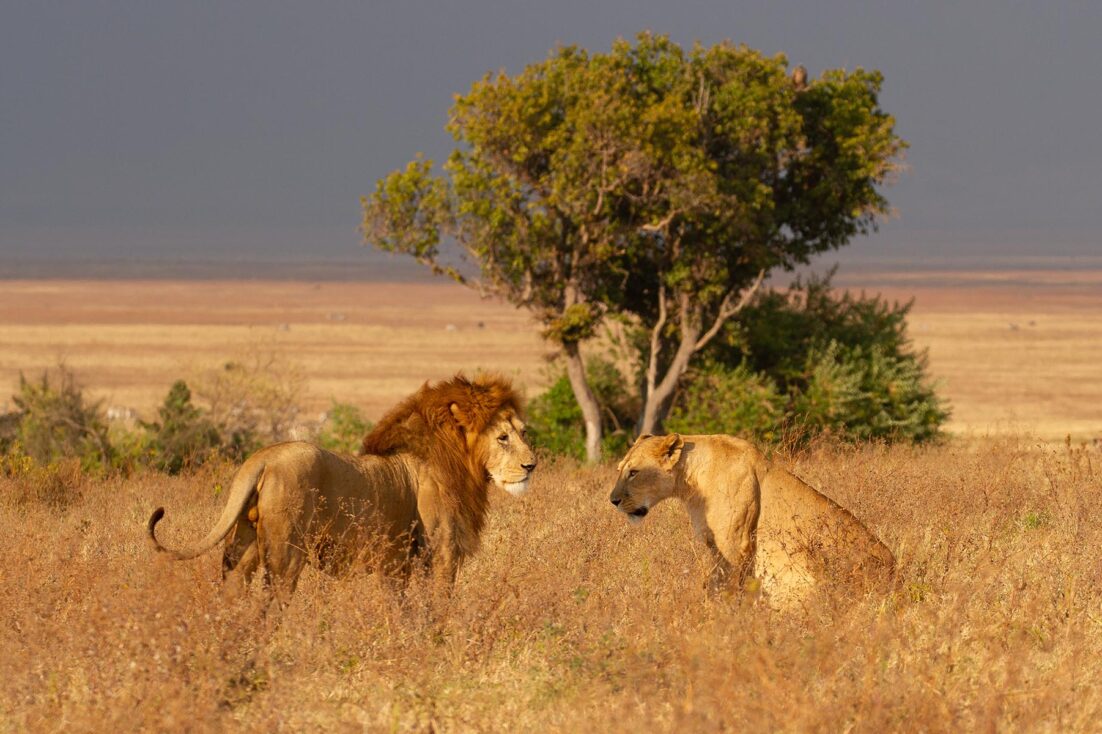
Africa’s iconic roar echoes across golden savannahs at dawn, a primal sound that has captivated travelers for generations. For wildlife enthusiasts planning their dream safari, few experiences rival witnessing these magnificent apex predators in their natural habitat. Whether you’re watching a pride lounging beneath an acacia tree or observing a dramatic hunt unfold across the plains, encountering lions remains one of the continent’s most sought-after wildlife experiences.
This comprehensive guide explores where to see lions in Africa, the best destinations, optimal timing, and expert tips to maximize your chances of unforgettable lion encounters across Africa’s most spectacular wilderness areas.
What are the Populations of Lions in Africa?
Before planning your safari, it’s helpful to understand where lions thrive today. African lion populations have declined significantly over the past century, with an estimated 20,000 to 25,000 individuals remaining in the wild. These majestic cats now occupy fragmented territories across sub-Saharan Africa, making certain regions far more productive for sightings than others.
The highest concentrations exist in Eastern and Southern Africa, particularly within well-managed national parks and private conservancies. These protected areas offer not only abundant prey populations but also the conservation efforts necessary to sustain healthy lion prides for future generations.
1. Serengeti National Park and Ngorongoro Crater, Tanzania
Tanzania ranks among the premier destinations where to see lions in Africa, with the Serengeti-Ngorongoro ecosystem supporting one of the continent’s largest lion populations. The Serengeti alone hosts approximately 3,000 lions, offering exceptional viewing opportunities year-round.
The park’s vast plains provide ideal hunting grounds, and the annual wildebeest migration brings concentrated prey that attracts numerous prides. The Seronera Valley in the central Serengeti is particularly renowned for lion sightings, with resident prides often spotted resting near kopjes (rocky outcrops) or stalking prey along the riverbanks.
Ngorongoro Crater presents a unique self-contained ecosystem where around 60 to 70 lions roam the 100-square-mile caldera floor. The crater’s dense wildlife concentration means visitors often encounter multiple prides during a single game drive, making it one of Africa’s most reliable lion-viewing destinations.
Best time to visit: June through October for the migration; December through March for newborn wildebeest that attract predators.
2. Maasai Mara National Reserve, Kenya
Just across the border from the Serengeti, Kenya’s Maasai Mara offers equally spectacular lion encounters. This reserve is famous for its thriving predator populations and open grasslands that provide excellent visibility for game viewing.
The Mara’s lion prides are remarkably habituated to safari vehicles, often allowing close-range photography and observation. During the Great Migration crossing (typically July through October), the concentration of wildebeest and zebras creates prime hunting opportunities, and visitors frequently witness dramatic predator-prey interactions.
The private conservancies surrounding the Mara, including Olare Motorogi, Mara Naboisho, and Ol Kinyei, offer even more exclusive experiences with fewer vehicles and the possibility of off-road driving for optimal lion tracking.
Best time to visit: July through October for migration crossings; January through March for excellent general wildlife viewing with fewer crowds.
3. Kruger National Park and Sabi Sands, South Africa
South Africa’s Kruger National Park ranks among the most accessible destinations where to see lions in Africa, combining excellent infrastructure with abundant wildlife. Kruger hosts between 1,600 and 2,000 lions across its nearly 7,500 square miles, with particularly strong populations in the southern and central regions.
The park’s extensive road network allows self-drive safaris, making it budget-friendly compared to other African destinations. Key areas for lion sightings include the S100 road near Skukuza, the H4-1 loop near Lower Sabie, and the regions around Satara and Orpen camps.
For a more luxurious experience, the private Sabi Sands Game Reserve shares an unfenced border with Kruger and offers some of Africa’s finest game viewing. Expert trackers use telemetry and traditional tracking methods to locate lions daily, virtually guaranteeing sightings. The relaxed traversing rules allow guides to follow lions off-road, providing intimate encounters impossible in public reserves.
Best time to visit: May through September offers cooler, drier conditions when vegetation thins and animals concentrate around water sources.
4. Okavango Delta, Botswana
Botswana’s Okavango Delta presents a completely different safari experience, where lions have adapted to the unique wetland environment. The permanent water attracts massive herds of buffalo and other prey, supporting healthy lion populations throughout the delta’s seasonal floodplains and islands.
The Moremi Game Reserve, particularly the Khwai and Xakanaxa regions, offers excellent lion sightings. What makes the Okavango special is witnessing lions navigating waterways and hunting in swampy conditions, rarely seen elsewhere in Africa.
The delta’s private concessions, including Vumbura, Duba Plains, and Chitabe, provide exclusive, low-impact safaris with exceptional guiding. Duba Plains is particularly famous for its unique lion pride that specializes in hunting buffalo, documented in numerous wildlife films.
Best time to visit: May through October during the dry season when wildlife concentrations peak; June through August for the flood at its highest.
5. South Luangwa National Park, Zambia
Zambia’s South Luangwa National Park remains one of Africa’s best-kept secrets for lion encounters. The park’s relatively low tourist numbers mean more exclusive sightings, and the relaxed regulations allow walking safaris, offering the thrilling possibility of encountering lions on foot with experienced guides.
South Luangwa hosts thriving lion populations, particularly in the Mfuwe area and along the Luangwa River. The park pioneered walking safaris in Africa, and tracking lions through the bush on foot provides an unmatched adrenaline rush and connection with the wilderness.
Night drives, permitted in most private concessions and camps, offer chances to see lions actively hunting. This is something rarely possible elsewhere. Watching a pride coordinate an ambush under spotlight adds another dimension to your safari experience.
Best time to visit: June through October for excellent game viewing; November for dramatic storm skies and photography opportunities.
6. Hwange National Park, Zimbabwe
Zimbabwe’s Hwange National Park, once famous for hosting Cecil the lion, continues to offer outstanding lion sightings despite past controversies. The park supports over 500 lions across its diverse habitats, from mopane woodlands to open grasslands.

Hwange’s artificial waterholes, pumped throughout the dry season, create phenomenal wildlife concentrations. Lions frequently stake out these water sources, providing predictable viewing opportunities. The Nehimba, Kennedy, and Nyamandhlovu pan areas are particularly productive.
The park’s private concessions offer exclusive traversing rights and exceptional guiding, often tracking individual lions that guides know intimately by their markings and behaviors.
Best time to visit: August through October when water scarcity forces wildlife to concentrate around permanent sources.
When is the Best Time to See Lions in Africa?
While specific destinations have their peak seasons, the general dry season across most of Africa (roughly May through October) offers the best conditions where to see lions in Africa. During these months, sparse vegetation improves visibility, and wildlife congregates around limited water sources, making predators easier to locate.
However, the wet season (November through April) shouldn’t be dismissed entirely. Green season safaris offer advantages including fewer tourists, lower prices, dramatic landscapes, and newborn prey animals that attract hunting lions. Photography can be spectacular under stormy skies and with lush backdrops.
How to Maximize your Lion Encounter Chances
- Choose the right accommodation: Safari camps and lodges with experienced guides and trackers significantly increase sighting probabilities. Properties that communicate via radio networks can alert each other to lion locations.
- Stay longer: The longer you stay in a destination, the better your chances. A minimum of three to four nights per location is recommended for consistent wildlife viewing.
- Be flexible with game drive timing: Early morning and late afternoon drives coincide with peak lion activity periods. Consider booking lodges that offer extended drives or even sleep-out experiences.
- Consider private reserves: While more expensive, private concessions typically offer better sightings through off-road tracking, fewer vehicles, and expert guides who know individual lions.
- Be patient and observant: Lions spend up to 20 hours daily resting. Sometimes the best strategy is simply waiting near a pride, as they may suddenly become active with minimal warning.
How to Support Wildlife Conservation Efforts
When planning your safari to see lions, consider supporting destinations and operators committed to conservation. Lion populations face numerous threats including habitat loss, human-wildlife conflict, and poaching. Tourism revenue directly funds protection efforts and provides economic incentives for local communities to coexist with these predators.
Look for lodges and operators that contribute to anti-poaching initiatives, community development programs, and wildlife research. Organizations like the African Wildlife Foundation, Panthera, and the Lion Recovery Fund work across multiple countries to ensure future generations can also experience wild lions.
Responsible wildlife viewing practices matter tremendously. Maintain respectful distances, avoid disturbing resting prides, and never pressure guides to approach too closely for photographs. These guidelines help minimize stress on lion populations while ensuring sustainable tourism that benefits both wildlife and local communities.
Final Thoughts
Africa offers diverse opportunities for encountering these magnificent predators, from budget self-drive adventures in Kruger to ultra-luxurious mobile camps in the Serengeti. The key is matching your preferences, budget, and timing with destinations that offer the highest probability of memorable lion encounters.
Whether you’re drawn to the endless plains of Tanzania, the exclusive reserves of South Africa, or the wetland wilderness of Botswana, witnessing lions in their natural environment remains one of travel’s most profound experiences. The sight of a male’s magnificent mane backlit by the African sunrise, the sound of a pride’s communal roar echoing across the savannah, or the privilege of watching cubs playfully wrestling near their resting mother—these moments connect us to the wild heart of Africa in ways that transform us forever.
Start planning your safari today, and prepare for encounters that will exceed your wildest expectations across the greatest wildlife continent on Earth. The memories you create will last a lifetime.