When you think of Africa’s iconic wildlife, zebras are likely among the first animals that come to mind. These striking black-and-white striped creatures have captured human imagination for centuries, galloping across the savannas and plains in their distinctive coats. But beyond their eye-catching appearance, zebras hold countless surprises that make them truly fascinating members of Africa’s ecosystem.
Whether you’re planning a safari adventure, fascinated by wildlife, or simply curious about these remarkable animals, you’re in for a treat. Let’s explore 7 interesting facts about zebras in Africa that will deepen your appreciation for these charismatic equines.
1. Every Zebra Has a Unique Stripe Pattern—Like a Fingerprint
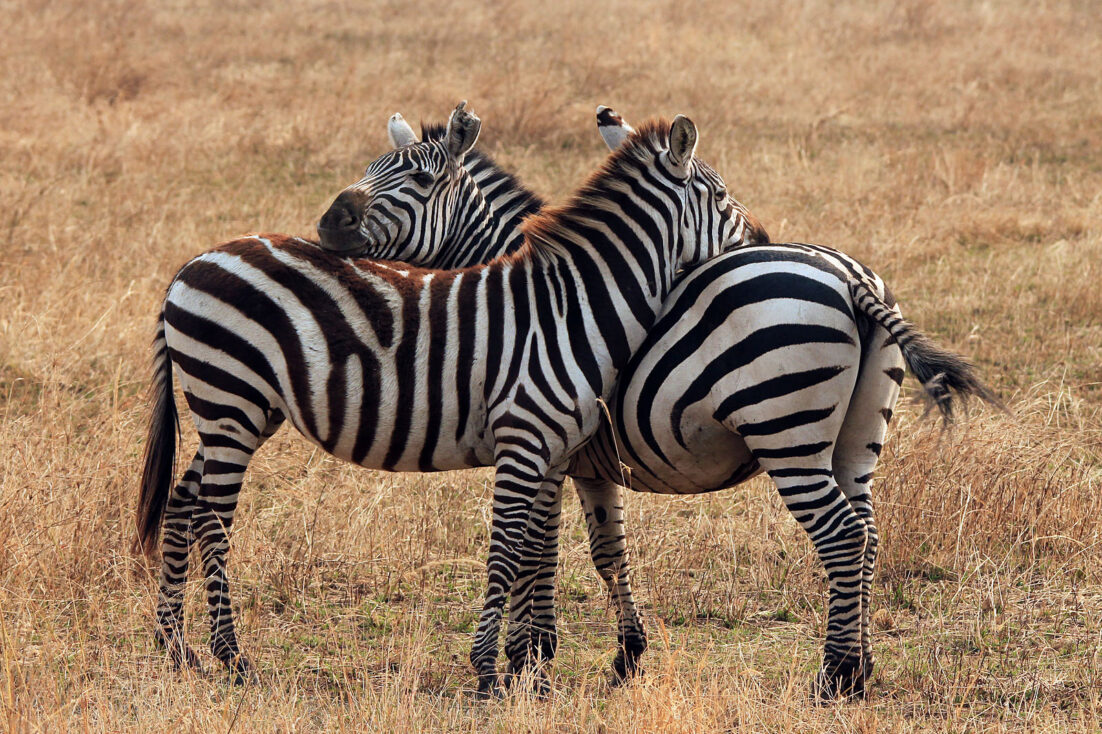
One of the most interesting facts about zebras in Africa is that no two zebras have identical stripe patterns. Just as human fingerprints are unique to each individual, every zebra’s stripes form a distinctive pattern that sets them apart from others in their herd.
These patterns vary not only between individual zebras but also among the three main species: plains zebras, mountain zebras, and Grevy’s zebras. Plains zebras, which are the most common, typically have broader stripes that may include shadow stripes (lighter stripes between the main black stripes). Mountain zebras feature a distinctive grid-like pattern on their rumps, while Grevy’s zebras sport the narrowest and most numerous stripes of all three species.
Scientists believe that zebra foals imprint on their mother’s unique stripe pattern shortly after birth, which helps them recognize and stay close to their mothers in the bustling herd environment. This remarkable adaptation showcases nature’s ingenuity in solving the challenge of individual recognition within large groups.
2. The Mystery of Zebra Stripes Isn’t Just About Camouflage
For generations, researchers have debated why zebras evolved their distinctive stripes. While many assume it’s for camouflage, the truth is far more complex and interesting. Recent scientific studies have revealed that the primary purpose of zebra stripes is actually to deter biting flies, particularly tsetse flies and horseflies.
These blood-sucking insects are more than just annoying, they can transmit deadly diseases that threaten zebra populations. Experiments have shown that flies have difficulty landing on striped surfaces compared to solid-colored ones. The stripes seem to confuse the flies’ visual systems, causing them to abort their landing attempts at the last moment.
Additionally, stripes may help with temperature regulation. The black stripes absorb heat while the white stripes reflect it, creating tiny air currents along the zebra’s body that provide natural cooling in Africa’s hot climate. Some researchers also suggest that stripes might help zebras recognize each other or create visual confusion for predators when the herd runs together, though these theories are still being studied.
3. Zebras Are Surprisingly Fast and Athletic
Don’t let their somewhat stocky appearance fool you. Trust me, zebras are incredibly athletic animals. When threatened by predators like lions, leopards, or hyenas, zebras can reach speeds of up to 65 kilometers per hour (about 40 miles per hour). While this doesn’t quite match a cheetah’s top speed, it’s impressive nonetheless and often fast enough to escape danger.
What makes zebras particularly formidable is their stamina and agility. They can maintain high speeds for longer distances than many predators and are capable of sharp turns and quick direction changes while running. This maneuverability often proves crucial when evading attacks.
Zebras also have powerful defensive capabilities. Their kick can be strong enough to break a predator’s jaw or cause serious injury. Adult zebras have been known to fight off lions and even kill attacking predators with well-placed kicks. When cornered, they won’t hesitate to use their teeth and hooves to defend themselves and their young, making them much tougher prey than they might initially appear.
4. Zebras Have Complex Social Lives and Communication Systems
Among the interesting facts about zebras in Africa, their sophisticated social structures stand out. Plains zebras live in family groups called harems, typically consisting of one dominant stallion, several mares, and their offspring. These family units are remarkably stable, with members maintaining strong bonds throughout their lives.
Zebras communicate through various vocalizations, body language, and facial expressions. They make several distinct sounds including barks to alert others of danger, snorts when anxious, and a unique two-syllable call that sounds like “kwa-ha,” which gives them their name in some African languages. Greeting behaviors include nuzzling and grooming each other, which strengthens social bonds within the group.
Young zebras engage in playful behavior that helps them develop important survival skills. Colts and fillies practice running, kicking, and mock fighting, preparing themselves for the challenges they’ll face as adults. The social cohesion within zebra herds is so strong that if a predator attacks, the entire group may work together to defend vulnerable members, particularly foals.
5. Zebras Play a Crucial Role in Africa’s Ecosystem
No doubt, zebras are beautiful to look at, but that’s not all there is to them. They’re essential players in Africa’s delicate ecological balance. As herbivores, they primarily graze on grasses, consuming the tougher, less nutritious portions that other animals can’t digest as efficiently. This grazing behavior actually helps other herbivores by making more nutritious plants accessible.
In many regions, zebras participate in massive migrations alongside wildebeest and other ungulates. The Great Migration in East Africa, one of nature’s most spectacular events, involves hundreds of thousands of zebras traveling between Tanzania’s Serengeti and Kenya’s Maasai Mara in search of fresh grazing lands and water. These migrations help distribute nutrients across vast distances as zebras deposit dung along their routes, fertilizing the soil and promoting plant growth.
Zebras also serve as an important prey species for Africa’s large carnivores, supporting populations of lions, hyenas, leopards, and wild dogs. Their presence in the ecosystem creates a ripple effect that influences everything from grass growth patterns to predator populations, demonstrating how interconnected African wildlife truly is.
6. Zebras Have Excellent Vision and Never Sleep Lying Down
Zebras possess remarkable eyesight that serves them well in the wild. Their eyes are positioned on the sides of their heads, giving them a wide field of vision that allows them to spot predators approaching from almost any direction. They also have excellent night vision, which helps them remain alert during the hours when many predators are most active.
One of the more surprising interesting facts about zebras in Africa is their sleeping habits. Zebras typically sleep standing up, ready to flee at a moment’s notice if danger approaches. They do this by locking their leg joints in a special way that allows them to rest while remaining upright. Only when zebras feel extremely secure, usually when other herd members are keeping watch, will they occasionally lie down for very brief periods.
Zebras sleep in short bursts throughout the day and night, totaling only about seven minutes of deep sleep per day. Most of their rest consists of light dozing while standing, allowing them to remain vigilant against the constant threat of predation. This adaptation, while seemingly exhausting, has proven crucial for survival in Africa’s dangerous landscapes.
7. Some Zebra Species Are Endangered
While zebras remain iconic symbols of African wildlife, not all species are thriving. Grevy’s zebra, the largest and most endangered of the three species, has experienced dramatic population declines. Today, fewer than 3,000 Grevy’s zebras remain in the wild, primarily in northern Kenya and Ethiopia. Habitat loss, competition with livestock for resources, and hunting have contributed to their endangered status.
Mountain zebras have also faced significant challenges, though conservation efforts have helped stabilize some populations. The Cape mountain zebra, in particular, was once reduced to fewer than 100 individuals but has made a remarkable comeback thanks to dedicated conservation programs.
Plains zebras, while still relatively numerous with populations estimated at around 500,000, face ongoing threats from habitat fragmentation, human-wildlife conflict, and climate change. Some subspecies, like the quagga (which became extinct in the 1880s), have already been lost forever.

Conservation organizations across Africa are working to protect remaining zebra populations through habitat preservation, anti-poaching efforts, and community education programs. Supporting these initiatives is crucial for ensuring that future generations can continue to witness these magnificent animals in their natural habitats.
Where to See Zebras in Africa: Best Safari Destinations
If learning about these interesting facts about zebras in Africa has sparked your desire to see them in their natural habitat, you’re in luck. The continent offers numerous incredible destinations where you can witness these magnificent animals up close. Here are some of the best places to experience zebras in the wild.
1. Serengeti National Park, Tanzania is arguably the most famous zebra-watching destination in the world. Home to hundreds of thousands of plains zebras, the Serengeti offers year-round viewing opportunities. The best time to visit is during the Great Migration between June and October, when massive herds of zebras move alongside wildebeest across the plains in one of nature’s most spectacular displays.
2. Maasai Mara National Reserve, Kenya shares an ecosystem with the Serengeti and provides equally stunning zebra encounters. Between July and October, zebras cross the Mara River in dramatic fashion during their migration. The reserve’s open grasslands make it easy to spot and photograph zebras, and the concentration of wildlife here is truly remarkable.
3. Kruger National Park, South Africa is home to significant populations of plains zebras and offers excellent infrastructure for visitors. The park’s well-maintained roads and diverse landscapes provide fantastic opportunities for both self-drive safaris and guided tours. You’ll often spot zebras grazing near waterholes or moving across the savanna in family groups.
For those interested in seeing the endangered Grevy’s zebra, head to Samburu National Reserve or Lewa Wildlife Conservancy in northern Kenya. These reserves are among the few places where you can observe this magnificent species, with its narrow stripes and large ears. Lewa, in particular, has been instrumental in Grevy’s zebra conservation efforts.
4. Etosha National Park, Namibia offers a unique zebra-watching experience around its famous salt pans and waterholes. The park is home to Burchell’s zebra, a subspecies of plains zebra, and the stark white landscape creates stunning photographic opportunities as zebras gather to drink.
5. Mountain Zebra National Park, South Africa was specifically established to protect the endangered Cape mountain zebra. This park offers a more intimate wildlife experience with fewer crowds and the chance to see these unique zebras in their mountainous habitat.
6. Hwange National Park, Zimbabwe hosts large zebra populations that gather around artificial waterholes during the dry season (April to October). The park’s diverse habitats support healthy zebra numbers, and sightings are virtually guaranteed.
Before You Go
These interesting facts about zebras in Africa reveal that these animals are far more complex and remarkable than their striking appearance might suggest. From their unique stripe patterns and sophisticated social structures to their crucial ecological roles and impressive survival adaptations, zebras embody the wonder and diversity of African wildlife.
These facts will help us understand why protecting zebra populations matters not just for the animals themselves but for the entire African ecosystem. Whether you’re fortunate enough to see zebras on an African safari or simply admire them from afar, these seven facts offer a deeper glimpse into the lives of one of nature’s most captivating creatures.
The next time you see a zebra, whether in a documentary, photograph, or in person, you’ll know there’s far more to their story than meets the eye. And that’s what makes them truly unforgettable.