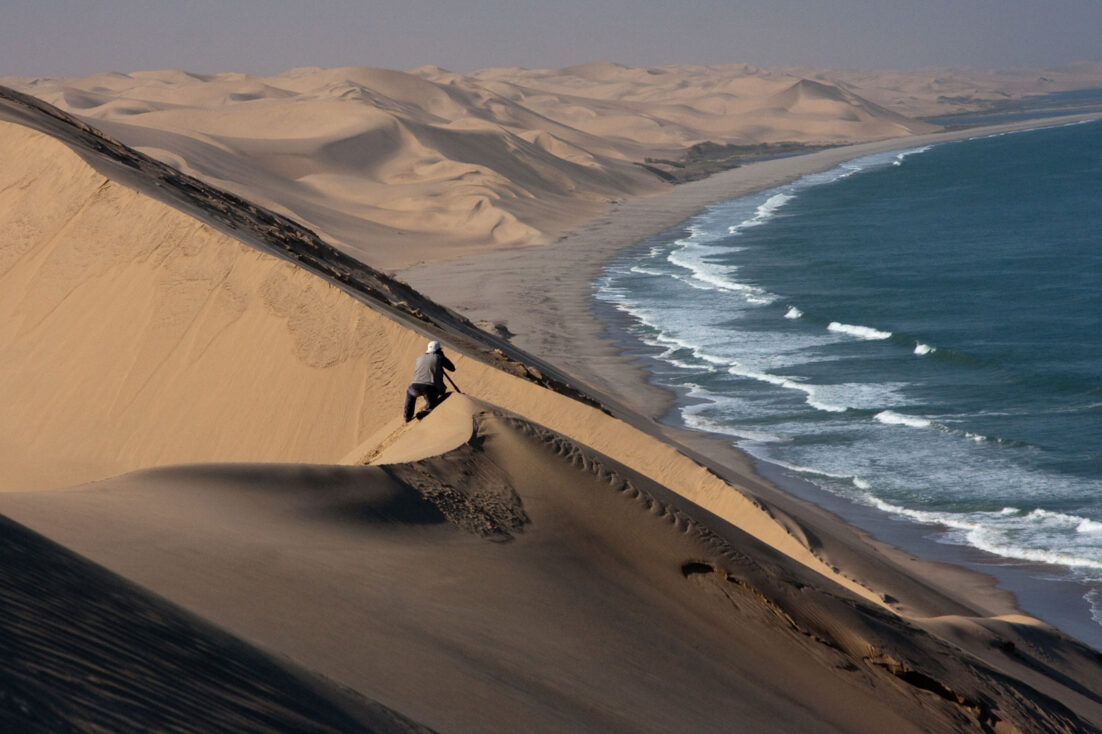
If you’re searching for one of Africa’s most hauntingly beautiful and remote wilderness experiences, a Skeleton Coast safari should be at the top of your travel bucket list. This extraordinary stretch of Namibian coastline offers a safari experience unlike any other on the continent, where the Namib Desert dramatically collides with the icy Atlantic Ocean to create landscapes that feel positively otherworldly.
Let me take you on a journey through this remarkable destination and show you why a Skeleton Coast safari is one of the most unique adventures you can have in Namibia.
What Makes the Skeleton Coast So Special?
The Skeleton Coast earned its ominous name from the numerous shipwrecks that dot its foggy shoreline and the bleached whale and seal bones that once littered its beaches. Portuguese sailors used to call it “The Gates of Hell,” but don’t let that intimidate you. Today, this 500-kilometer stretch of coastal desert between the Kunene River in the north and the Ugab River in the south represents one of the world’s most pristine and fascinating wilderness areas.
What sets a Skeleton Coast safari apart from traditional African safaris is the sheer diversity of landscapes you’ll encounter. Within a single day, you might explore towering sand dunes, walk across vast gravel plains, discover hidden desert oases, and stand before rusting shipwrecks half-buried in the sand. The stark beauty of this landscape creates photography opportunities that are absolutely breathtaking.
The coast is characterized by thick fog that rolls in from the ocean almost daily, created when the cold Benguela Current meets the hot desert air. This fog is actually a lifeline for the desert ecosystem, providing precious moisture to the hardy plants and animals that call this harsh environment home.
Wildlife Encounters on Your Skeleton Coast Safari
You might wonder what kind of wildlife thrives in such an inhospitable environment, and the answer will surprise you. A Skeleton Coast safari introduces you to species that have adapted remarkably to desert life.
Desert-adapted elephants are among the most sought-after sightings on any Skeleton Coast safari. These magnificent creatures have learned to survive in one of the world’s harshest environments, traveling vast distances between water sources and feeding on whatever vegetation they can find. Watching these gentle giants navigate the rocky terrain and sandy riverbeds is an unforgettable experience that highlights nature’s incredible adaptability.
Black rhinos also roam this unforgiving landscape, though they’re notoriously elusive. Lions have been spotted along the coast as well, particularly in the northern reaches near the Kunene River. These desert lions have adapted their hunting strategies and ranging patterns to suit the challenging environment.
Along the coastline itself, you’ll encounter massive Cape fur seal colonies. At Cape Cross, one of the largest colonies in the world hosts up to 250,000 seals during breeding season. The sight, sound, and yes, smell of this colony creates a sensory experience you won’t soon forget.
Birdlife is surprisingly abundant during your Skeleton Coast safari. Keep your eyes peeled for flamingos in the coastal lagoons, cormorants along the shore, and various birds of prey soaring overhead. The coastal wetlands and lagoons attract migratory species from as far away as Siberia.
Top Experiences on a Skeleton Coast Safari
1. Shipwreck Exploration
One of the most iconic aspects of any Skeleton Coast safari is exploring the numerous shipwrecks scattered along the coastline. The Eduard Bohlen, a German cargo ship that ran aground in 1909, now sits eerily in the sand several hundred meters from the current shoreline. The shifting sands have literally moved the coastline away from the wreck over the decades.
Other notable wrecks include the Dunedin Star and the Benguela Eagle, each with its own dramatic story of maritime disaster. These rusting hulks serve as powerful reminders of the coast’s treacherous nature and create hauntingly beautiful scenes against the stark desert backdrop.
2. Flying Safaris
Given the remote nature of the Skeleton Coast, many operators offer fly-in safaris that provide spectacular aerial perspectives of the landscape. From the air, you’ll appreciate the full scale of the dune systems, see the stark line where desert meets ocean, and spot wildlife that would be impossible to find from the ground. Small charter flights allow you to access the most remote northern sections of the coast that are otherwise extremely difficult to reach.
3. Visiting Himba Communities
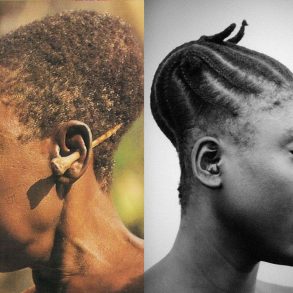
The northern Skeleton Coast borders the Kaokoland region, home to the semi-nomadic Himba people. Many Skeleton Coast safari itineraries include culturally sensitive visits to Himba villages, where you can learn about their traditional way of life, distinctive ochre body decoration, and remarkable adaptation to this challenging environment. These interactions provide valuable cultural context to your safari experience.
4. Exploring the Seal Colonies
Visiting Cape Cross Seal Reserve is typically included in southern Skeleton Coast safari itineraries. The reserve protects one of Africa’s largest Cape fur seal colonies, and visiting during pupping season (November and December) offers extraordinary wildlife viewing opportunities. The sight of thousands upon thousands of seals hauled out on the beach, nursing pups, and playing in the surf is simply remarkable.
5. Discovering Hidden Oases
Throughout the desert interior, ephemeral rivers create unexpected oases that support surprising amounts of life. Places like the Hoanib River and Hoarib River valleys offer lush pockets of vegetation where wildlife congregates. These green corridors through the desert landscape provide excellent opportunities for wildlife viewing and photography.
When to Go on Your Skeleton Coast Safari
The best time for a Skeleton Coast safari largely depends on what you want to experience. The coastal climate remains relatively stable year-round due to the moderating influence of the ocean, but there are seasonal variations to consider.
Summer months from November to April bring warmer temperatures, with daytime highs reaching into the 30s Celsius (80s-90s Fahrenheit). This is also when you’re most likely to experience the rare rainfall that can dramatically transform the desert landscape. However, summer brings intense heat to the interior desert areas.
Winter months from May to October offer cooler, more comfortable temperatures for exploration, with daytime temperatures typically in the low 20s Celsius (70s Fahrenheit). Morning fog is particularly common during these months, creating atmospheric conditions that photographers love. Wildlife viewing for desert-adapted elephants and other species is generally excellent during the dry winter months when animals concentrate around water sources.
The seal pupping season from November to December is ideal if witnessing this spectacle is a priority for your Skeleton Coast safari.
Planning Your Skeleton Coast Safari
Access and Permits
Access to the Skeleton Coast National Park is tightly controlled to preserve the pristine environment. Only a limited number of registered tour operators are permitted to conduct safaris in the park, and you cannot drive through independently without special permits and approved itineraries.
The southern section of the Skeleton Coast from the Ugab River to Torra Bay is more accessible and can be visited on self-drive trips, though you’ll need a 4×4 vehicle and considerable experience in desert driving. The northern section from Torra Bay to the Kunene River requires joining an organized safari with an approved operator.
Types of Safari Options
Skeleton Coast safari options range from budget-friendly self-drive trips exploring the southern sections to ultra-luxury fly-in safaris that access the most remote northern wilderness areas. Multi-day expeditions typically combine Skeleton Coast exploration with other Namibian highlights like Damaraland and Etosha National Park.
Mobile camping safaris offer an authentic wilderness experience with comfortable camping setups moved between remote locations. Permanent lodges like Shipwreck Lodge and Hoanib Skeleton Coast Camp provide more luxurious accommodations while maintaining spectacular settings that immerse you in the landscape.
What to Pack
A Skeleton Coast safari requires thoughtful packing due to the extreme environmental conditions. Layers are essential, as temperatures can vary dramatically between morning fog and midday sun. Bring warm jackets for chilly mornings, sunscreen and sun hats for daytime protection, and comfortable walking shoes with good grip for exploring sandy and rocky terrain.
Camera equipment should include protective gear against sand and dust. The unique lighting conditions and dramatic landscapes make the Skeleton Coast a photographer’s paradise, so bring extra memory cards and batteries.
Why Choose a Skeleton Coast Safari?
In a world where true wilderness is increasingly rare, the Skeleton Coast represents one of Africa’s last great frontiers. A Skeleton Coast safari offers something genuinely different from typical safari experiences. Instead of watching wildlife from vehicles in game-rich savannas, you’re exploring one of the planet’s most extreme environments where survival itself is an achievement.
The sense of remoteness and solitude you’ll experience here is profound. You might spend entire days seeing no other travelers, just endless horizons of desert, ocean, and sky. For those seeking authentic adventure and pristine wilderness, few destinations can compare.
Whether you’re drawn by the desert-adapted wildlife, the haunting shipwrecks, the stunning landscapes, or simply the allure of exploring one of the world’s most remote coastlines, a Skeleton Coast safari delivers an experience that will stay with you for a lifetime. This is raw, elemental Africa at its most dramatic, and it’s waiting for you to discover its extraordinary beauty.