If you’ve been following environmental news lately, you’ve probably heard alarming statistics about air quality around the world. But when it comes to air pollution in Africa, the picture is more complex and more urgent than many people realize. Let’s dive into what’s really happening with air quality across the continent and why it matters for millions of people.
The Current State of Air Pollution in Africa
Air pollution in Africa is a growing crisis that doesn’t get nearly enough attention on the global stage. While cities like Beijing and Delhi often dominate headlines about air quality, African cities are quietly experiencing some of the worst pollution levels in the world.
According to recent data from air quality monitoring organizations, many African cities regularly exceed the World Health Organization’s air quality guidelines by significant margins. Cities across North, West, and East Africa frequently record particulate matter levels that are 5 to 10 times higher than what’s considered safe for human health.
The problem is widespread. From Cairo to Lagos, Johannesburg to Nairobi, millions of Africans breathe air that poses serious health risks every single day. What makes this particularly concerning is that air quality monitoring infrastructure remains limited across much of the continent, meaning the true extent of the problem might be even worse than current data suggests.
The statistics paint a sobering picture. Research indicates that air pollution in Africa has increased dramatically over the past few decades, corresponding with rapid economic development and population growth. In some regions, air quality has deteriorated by more than 50% since the 1990s. This trend shows no signs of slowing down without significant intervention and policy changes.
What’s Causing Air Pollution in Africa?
Understanding air pollution in Africa requires looking at multiple contributing factors. Unlike some regions where a single source dominates, African air pollution comes from a complex mix of traditional and modern pollution sources.
1. Rapid urbanization
African cities are growing faster than almost anywhere else on Earth. This explosive growth brings more vehicles, more construction, more industrial activity, and more demand for energy, all of which contribute to declining air quality. Many cities simply haven’t been able to develop the infrastructure needed to manage this growth sustainably. The United Nations projects that Africa’s urban population will triple by 2050, which could intensify these challenges significantly if proactive measures aren’t implemented.
2. Vehicle emissions
Many African countries import used vehicles from other continents, often older models with poor emission controls. Combined with low-quality fuels that contain high sulfur content, these vehicles pump significant amounts of harmful pollutants into the air. Traffic congestion in major cities only makes matters worse, with cars idling for hours in gridlock. In some African cities, the average vehicle age exceeds 15 years, compared to less than 10 years in many developed countries.
3. Household air pollution
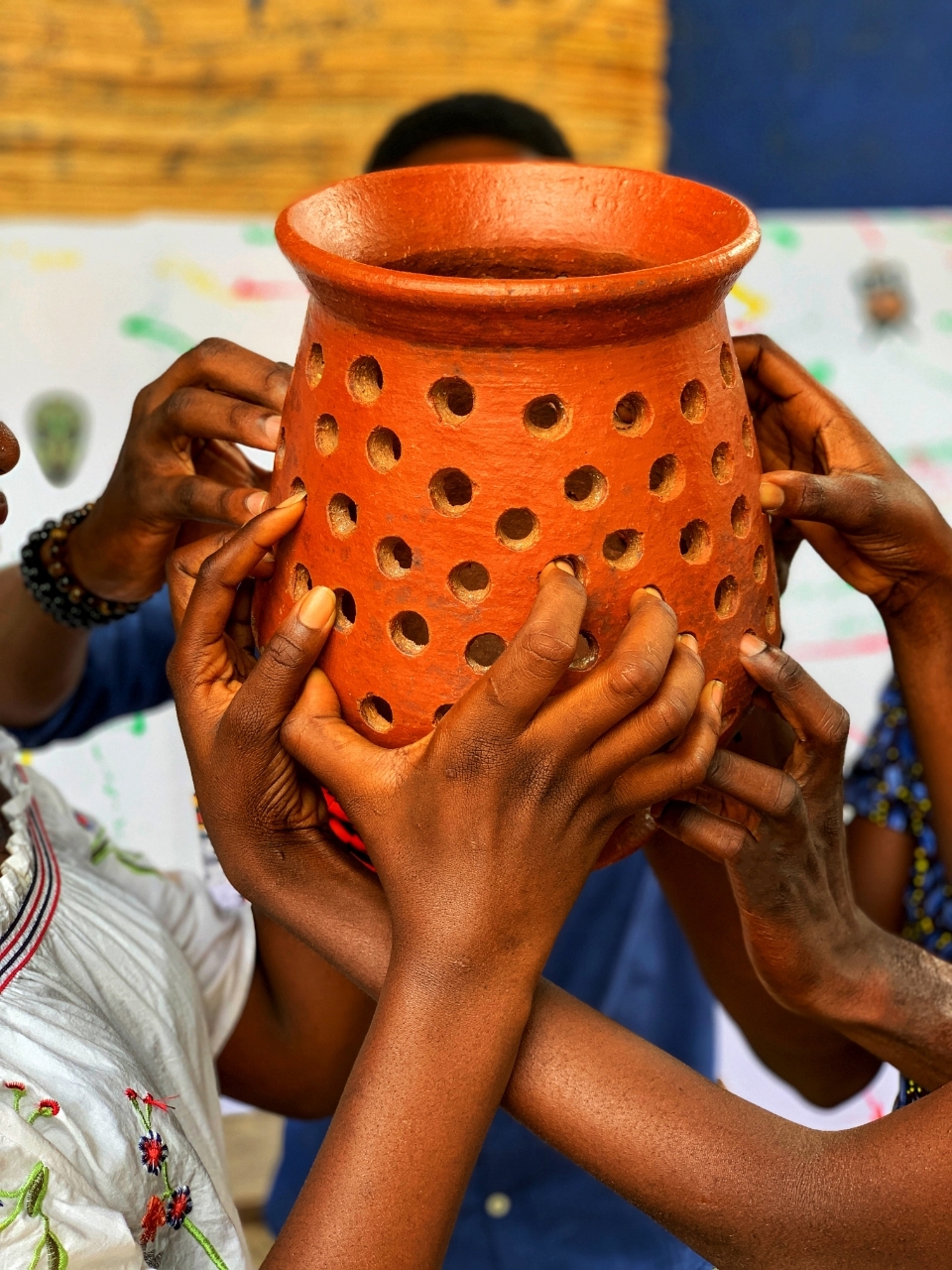
Across Africa, roughly 900 million people still rely on solid fuels like wood, charcoal, crop residues, and coal for cooking and heating. Burning these materials indoors or in poorly ventilated spaces creates dangerous levels of indoor air pollution that also seeps into outdoor environments. Women and children, who typically spend more time near cooking fires, face disproportionate exposure to these harmful pollutants.
4. Industrial emissions
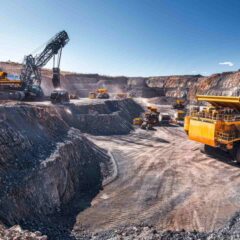
Manufacturing facilities, power plants, mining operations, and other industries often operate with less stringent environmental regulations than their counterparts in developed nations. This industrial expansion, while important for economic growth, frequently comes at an environmental cost. Cement production, metal smelting, and chemical manufacturing are particularly significant contributors to air pollution in industrialized areas.
5. Dust and natural sources
These also contribute significantly, particularly in regions near the Sahara Desert and other arid areas. Seasonal dust storms can dramatically worsen air quality across wide areas, affecting countries from Senegal to Sudan. These natural sources can interact with human-made pollution to create particularly hazardous air quality conditions.
6. Agricultural burning
Farmers across Africa regularly burn crop residues and clear land using fire, practices that release massive amounts of particulate matter and other pollutants into the atmosphere during certain seasons.
The Health Impact of Air Pollution in Africa: A Silent Crisis
The health consequences of air pollution in Africa are staggering and heartbreaking. The numbers tell a grim story that affects real people every day.
Air pollution contributes to hundreds of thousands of premature deaths across Africa annually. The World Health Organization estimates that outdoor air pollution alone causes over 250,000 deaths per year on the continent, while household air pollution accounts for even more. These aren’t just statistics. They represent parents, children, and grandparents whose lives are cut short by something as basic as the air they breathe.
Respiratory diseases are particularly common. Chronic obstructive pulmonary disease, asthma, and respiratory infections are all linked to poor air quality. Children are especially vulnerable, with air pollution contributing to stunted lung development and increased susceptibility to respiratory illnesses that can affect them throughout their lives. Studies have shown that children growing up in highly polluted areas may never develop full lung capacity, limiting their physical capabilities permanently.
Cardiovascular problems also spike in areas with poor air quality. Research shows clear connections between air pollution exposure and heart disease, strokes, and other circulatory system issues. The fine particulate matter in polluted air can enter the bloodstream, causing inflammation and damage throughout the body. Some research suggests that long-term exposure to air pollution may be as harmful to cardiovascular health as smoking.
Cancer risks also increase with prolonged exposure to polluted air. The International Agency for Research on Cancer has classified outdoor air pollution as a Group 1 carcinogen, meaning there’s sufficient evidence that it causes cancer in humans. Lung cancer rates in some polluted African cities have risen alarmingly in recent years.
The economic burden is substantial too. Healthcare costs related to air pollution, combined with lost productivity from illness and premature death, drain resources that could be invested in development and improving quality of life. Some estimates suggest that air pollution costs African economies billions of dollars annually through these direct and indirect impacts.
Regional Variations Across the Continent
Air pollution in Africa isn’t uniform. Different regions face different challenges and pollution sources.
1. North Africa deals with some of the continent’s worst air quality, particularly in Egypt. Cairo consistently ranks among the world’s most polluted cities, with a combination of vehicle emissions, industrial pollution, and seasonal dust contributing to hazardous air quality. Other North African cities face similar challenges, compounded by arid climates that can trap pollutants.
The geography of the region, with mountains and valleys, can also create conditions where pollutants become concentrated rather than dispersing.
2. West Africa has seen air quality deteriorate rapidly in growing megacities like Lagos and Accra. These coastal cities combine the pollution from millions of vehicles with industrial emissions, biomass burning, and waste burning. The harmattan winds that blow south from the Sahara during certain seasons add another layer of complexity. Lagos alone, with its population exceeding 20 million, faces enormous challenges in managing air quality amid rapid growth.
3. East Africa presents a mixed picture. While cities like Nairobi and Kampala struggle with traffic-related pollution, the region also benefits from relatively cleaner industrial sectors in some areas. However, household air pollution remains a significant issue in rural areas where traditional cooking methods predominate. The region’s growing tourism industry has also raised awareness about air quality issues, as visitors often notice the pollution.

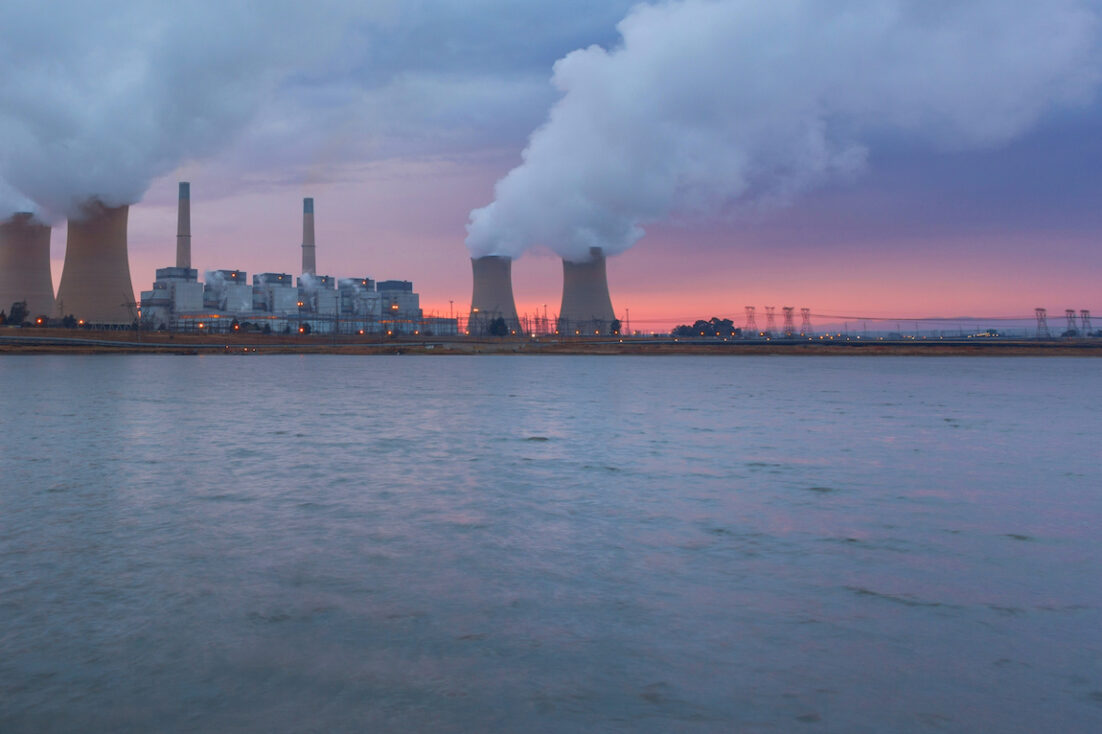
4. Southern Africa faces challenges related to coal dependence, particularly in countries like South Africa where coal-fired power plants contribute substantially to air pollution. Mining activities also play a role in degrading air quality in several countries in this region. The Highveld region in South Africa has been designated as a pollution hotspot, with air quality that regularly violates national standards.
5. Central Africa experiences significant pollution from deforestation and land clearing, often involving large-scale burning that creates regional air quality problems during certain seasons.
What Still Needs to Happen
Addressing air pollution in Africa effectively will require sustained commitment and resources. International cooperation matters. Wealthy nations that industrialized while polluting heavily have both a moral obligation and a practical interest in supporting Africa’s clean development path.
Investment in public transportation, clean energy infrastructure, and cleaner industrial technologies needs to increase dramatically. Regulatory frameworks must be strengthened and enforced, though this must be balanced with economic development needs.
Public awareness and education are crucial. Many people don’t fully understand the health risks of air pollution or the actions they can take to protect themselves and reduce emissions. Educational campaigns can drive behavior change and build political support for stronger policies.
Perhaps most importantly, air pollution needs to become a higher political priority. When citizens demand action and governments respond with serious policies and investments, change becomes possible. Civil society organizations are playing an increasingly important role in advocacy and holding leaders accountable.
Technology transfer from developed nations could accelerate progress. Sharing clean technologies, providing technical expertise, and supporting capacity building can help African nations leapfrog older, polluting industrial technologies.
Regional cooperation is essential too. Air pollution doesn’t respect national borders, so neighboring countries need to coordinate their efforts and share best practices.
The Bottom Line
So, how bad is air pollution in Africa? The honest answer is: pretty bad, and in many places, getting worse. Millions of Africans breathe unhealthy air every day, with serious consequences for health, quality of life, and economic development.
But this isn’t a hopeless situation. Solutions exist, progress is being made, and there’s growing awareness of the urgency of this challenge. What’s needed now is the political will, financial resources, and sustained effort to implement solutions at scale.
Air pollution in Africa is a crisis that deserves far more attention than it currently receives. For those of us watching from elsewhere, it’s a reminder that environmental challenges don’t respect borders, and that what happens in African cities matters for the entire planet. For those living with poor air quality every day, meaningful action can’t come soon enough.
The air we breathe is fundamental to life itself. Everyone, everywhere, deserves clean air, and that includes the more than one billion people calling Africa home. The question isn’t whether Africa can afford to address air pollution. The real question is whether it can afford not to.