When you think about global changemakers, innovation leaders, and community builders transforming our world, African women should be at the forefront of your mind. From boardrooms in New York to tech hubs in Nairobi, from research labs in Paris to humanitarian missions across Asia, how African women are making things possible is a story that deserves to be told, celebrated, and amplified.
This isn’t just about breaking barriers, though there’s plenty of that happening. It’s about creating entirely new pathways, reimagining what’s possible, and building bridges between continents, cultures, and communities. Let’s explore the remarkable ways African women are shaping our global future.
1. Leading the Tech Revolution
Technology is reshaping every aspect of our lives, and African women are at the helm of this transformation. In Silicon Valley and beyond, African women entrepreneurs and engineers are building the apps, platforms, and solutions we use daily.
Take the fintech sector, for example. African women have pioneered mobile banking solutions that are now being adapted worldwide. They’ve understood the power of leapfrogging traditional banking infrastructure, creating systems that work for the unbanked and underbanked. These innovations have revolutionized how millions of people access financial services, and lessons that developed nations are now learning from.
Women like these are proving that the most transformative tech solutions often come from those who deeply understand the problems they’re solving. They’re not just building technology for technology’s sake—they’re creating tools that address real barriers people face in their daily lives.
These tech pioneers aren’t just coding, they’re solving real-world problems. From healthcare apps that connect rural patients with doctors to agricultural platforms that help small-scale farmers access markets, how African women are making things possible in technology demonstrates the power of innovation driven by necessity and deep community understanding.
The startup ecosystem has been enriched by African women founders who bring fresh perspectives to problem-solving. They’re attracting venture capital, building teams across continents, and creating products that scale globally while remaining rooted in local understanding.
2. Transforming Healthcare Globally
In hospitals, clinics, and research centers worldwide, African women medical professionals are saving lives and advancing medical knowledge. They’re practicing physicians, conducting groundbreaking research, and leading public health initiatives that span continents.
During global health crises, African women healthcare workers have been on the frontlines, bringing not just their medical expertise but also their experience managing health challenges with limited resources. This is a skill that proves invaluable in emergency situations anywhere in the world.
African women researchers are making breakthrough discoveries in tropical medicine, infectious diseases, and maternal health that benefit patients globally. Their unique perspectives, often informed by experiences in resource-constrained environments, lead to innovative solutions that are more accessible and adaptable across different healthcare systems.
3. Championing Social Justice and Human Rights
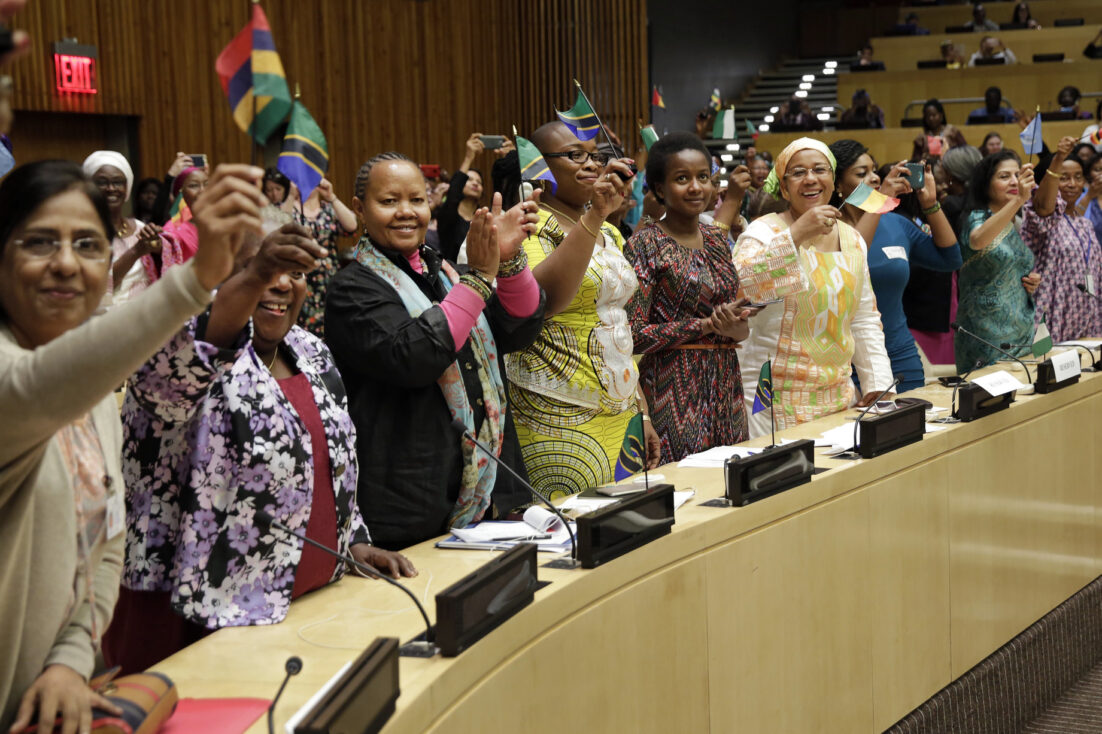
The global movement for equality, justice, and human dignity has been profoundly shaped by African women activists and advocates. From the United Nations to grassroots organizations, they’re speaking truth to power and demanding change.
These advocates work on issues ranging from gender equality and education access to climate justice and refugee rights. They bring intersectional perspectives that enrich global conversations about human rights, recognizing that struggles for justice are interconnected across borders.
How African women are making things possible in social justice goes beyond advocacy. They’re creating frameworks, building coalitions, and implementing programs that create lasting change. Their leadership has influenced policy decisions at the highest levels of international governance.
4. Driving Economic Growth and Entrepreneurship
African women entrepreneurs are reshaping the global business landscape. They’re founding startups that attract international investment, running multinational corporations, and creating economic opportunities across continents.
These business leaders bring fresh perspectives to solving global challenges. They’re building sustainable fashion brands that challenge fast fashion’s environmental impact, creating beauty and wellness companies that celebrate diverse definitions of beauty, and launching consulting firms that help organizations become more inclusive and culturally competent.
What sets many African women entrepreneurs apart is their commitment to building businesses that create positive ripple effects. They’re not just focused on profit margins. They’re thinking about how their companies can create jobs, support local communities, and address systemic inequalities. This approach to business is gaining traction worldwide as consumers and investors increasingly value purpose-driven companies.
The entrepreneurial spirit of African women extends to social enterprise as well. They’re proving that profit and purpose can coexist, building businesses that generate revenue while addressing social and environmental challenges. Their models of conscious capitalism are inspiring entrepreneurs worldwide.
From fashion to food, from technology to tourism, African women entrepreneurs are creating brands that resonate globally. They’re showing that you can build successful businesses while staying true to your values and heritage.
5. Shaping Arts, Culture, and Media
From literature and film to music and visual arts, African women creators are enriching global culture. They’re telling stories that challenge stereotypes, celebrate heritage, and explore universal human experiences through distinctly African lenses.
African women writers are winning major literary prizes and becoming bestselling authors whose work is translated into dozens of languages. Their stories are being adapted for film and television, reaching global audiences and changing narratives about Africa and its diaspora.
In the film industry, African women directors, producers, and actors are creating content that resonates worldwide. They’re behind the camera and in front of it, ensuring that diverse stories are told authentically and with nuance.
How African women are making things possible in media extends to journalism as well. African women journalists are reporting from conflict zones, investigating corruption, and holding power accountable, often at great personal risk. Their reporting provides crucial perspectives on global events.
6. Advancing Education and Research
In universities and research institutions around the world, African women academics are pushing the boundaries of knowledge. They’re professors shaping young minds, researchers making scientific discoveries, and thought leaders influencing academic discourse.
Their contributions span every discipline, from STEM fields to humanities, from social sciences to business studies. African women scholars bring valuable perspectives to research, often identifying questions and approaches that others might overlook.
Beyond their own research, these academics are mentoring the next generation of scholars, creating opportunities for other women and minorities in academia, and working to make higher education more accessible and inclusive globally.
7. Leading in International Organizations
Major international organizations, from the United Nations to the World Bank, from NGOs to multilateral agencies, count African women among their leadership. They’re executive directors, program managers, and policy advisors shaping global initiatives.
These leaders bring on-the-ground experience and cultural intelligence to international development, humanitarian aid, and global governance. They understand the complexities of working across cultures and the importance of community-centered approaches to problem-solving.
Their leadership has improved how international organizations operate, making them more responsive to local needs, more culturally sensitive, and more effective at achieving their missions.
8. Building Climate Solutions
As the world grapples with climate change, African women are leading the charge for sustainable solutions. They’re climate scientists studying global warming’s impacts, environmental activists demanding action, and entrepreneurs building green businesses.

How African women are making things possible in environmental conservation draws on indigenous knowledge and modern science. They’re implementing sustainable agricultural practices, protecting biodiversity, and developing renewable energy solutions that can be adapted worldwide.
These environmental leaders recognize that climate justice is inseparable from social justice. They advocate for solutions that address both environmental degradation and inequality, ensuring that climate action benefits the most vulnerable communities.
9. Breaking Barriers in Sports and Athletics
The world of sports has witnessed remarkable achievements by African women athletes who compete at the highest levels across multiple disciplines. From Olympic podiums to world championships, they’re setting records, inspiring millions, and changing perceptions about women in sports.
African women runners dominate long-distance events, their training methods and techniques studied by coaches worldwide. Their success has opened doors for young girls across Africa and beyond, proving that dedication and talent know no geographical boundaries.
Beyond individual athletics, African women are making strides in team sports, from soccer to basketball to rugby. They’re professional athletes in major leagues around the world, bringing their skills, competitive spirit, and unique playing styles to international competitions.
These athletes aren’t just excelling in their sports. They’re using their platforms for advocacy. They speak out on issues ranging from equal pay and sports funding to youth development and education access. Their voices carry weight, and they’re leveraging their visibility to create positive change both on and off the field.
African women are also breaking into sports leadership, coaching national teams, managing sports organizations, and shaping policies that affect athletes globally. Their experience as competitors gives them unique insights into what athletes need to succeed, and they’re working to create more equitable and supportive systems.
The impact extends to sports science and sports medicine as well, where African women researchers and practitioners are advancing our understanding of athletic performance, injury prevention, and recovery. Their work benefits athletes worldwide and contributes to the evolution of sports as both competition and science.
10. Fostering Diaspora Connections
African women in the diaspora serve as crucial bridges between continents. They maintain connections to their heritage while fully participating in their adopted homes, creating networks that facilitate cultural exchange, economic partnerships, and knowledge transfer.
These diaspora leaders organize professional associations, cultural groups, and philanthropic initiatives that strengthen ties between Africa and the rest of the world. They’re creating opportunities for collaboration, investment, and mutual learning.
Their work demonstrates that identity isn’t zero-sum. You can honor your roots while contributing to your current community. This cosmopolitan perspective is increasingly valuable in our interconnected world.
Final Thoughts
Around the world, African women are innovating, leading, creating, and transforming. They’re making the impossible possible, turning challenges into opportunities, and building a more just, prosperous, and connected world.
Their contributions benefit us all, not just through their individual achievements but through the pathways they create for others, the perspectives they bring to global conversations, and the inspiration they provide to the next generation.
The question isn’t whether African women can lead globally. They already are. The question is how we can better support, celebrate, and learn from their leadership. Because when African women thrive, everyone benefits.
As we look to the future, one thing is clear: how African women are making things possible around the world isn’t just a story of the present. It’s a blueprint for building a better tomorrow, together.