The tourism industry in Africa has become a powerful economic force. It currently generates billions of dollars annually and supports millions of livelihoods across the continent.
From the pyramids of Egypt to the wildlife reserves of Kenya, several African nations are increasingly recognizing tourism as a vital pillar of economic development.
This blog post explores the top 10 African countries that earn the most from tourism and what makes them so attractive to travelers from different parts of the world.
What does the tourism economy in Africa look like?
It’s a good idea to understand the scale of Africa’s tourism sector before we go into specific countries that make the most from it. The continent welcomed over 70 million international visitors in recent years, with tourism contributing approximately 7% to Africa’s GDP.
This sector employs nearly 25 million people directly and indirectly, making it one of the fastest-growing industries on the continent.
You should also know that revenue from tourism is more than just visitor numbers. It also comprises accommodation, transportation, entertainment, food services, and countless other economic activities.
Some countries attract fewer tourists but generate higher revenue through luxury experiences, while others succeed through volume and diverse offerings.
What are the African Countries that Earn the Most from Tourism?
1. Egypt
Egypt ranks as Africa’s top tourism revenue generator, earning between $10 billion and $13 billion annually from international visitors. The country’s unique combination of ancient history, Red Sea beaches, and Nile River cruises creates an unmatched tourism product.
The pyramids of Giza, the temples of Luxor, and the treasures of Tutankhamun draw history enthusiasts from around the world. Meanwhile, resort cities like Sharm El Sheikh and Hurghada attract beach lovers and diving enthusiasts to the crystal-clear waters of the Red Sea.
Egypt’s government has invested heavily in tourism infrastructure, including the long-awaited Grand Egyptian Museum and improved airport facilities. The country’s strategic location between Africa, Asia, and Europe, combined with relatively affordable travel costs, makes it accessible to diverse international markets.
Despite occasional security concerns, Egypt has demonstrated remarkable resilience, consistently recovering visitor numbers and maintaining its position as Africa’s tourism powerhouse.
2. Morocco
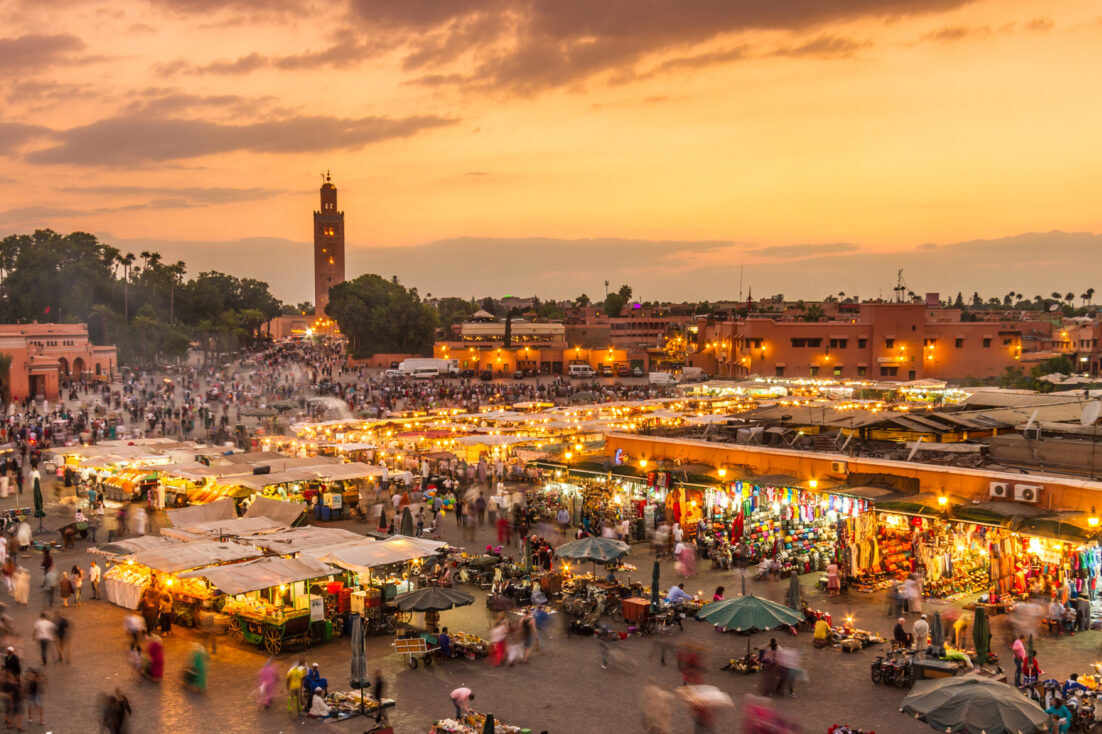
Morocco generates approximately $8 billion to $9 billion in annual tourism revenue, making it one of Africa’s most successful tourism economies. The country has masterfully positioned itself as a gateway between Europe and Africa, offering exotic experiences just a short flight from major European cities.
The imperial cities of Marrakech, Fez, Rabat, and Meknes showcase stunning Islamic architecture and vibrant souks. The blue-painted streets of Chefchaouen have become Instagram-famous, while the Sahara Desert offers authentic adventure experiences.
Morocco’s tourism success stems from strategic government investment in hospitality infrastructure, including luxury riads, beach resorts, and boutique accommodations. The country has also developed strong aviation connections, with national carrier Royal Air Maroc linking Morocco to destinations worldwide.
Coastal cities like Essaouira and Agadir attract beach tourists, while the Atlas Mountains appeal to trekkers and adventure seekers. This diversity allows Morocco to attract year-round visitors with varying interests and budgets.
3. South Africa
South Africa earns approximately $8 billion annually from tourism, driven by its incredible diversity of experiences. The country offers everything from world-class safaris and stunning coastlines to award-winning wine regions and vibrant cities.
Cape Town consistently ranks among the world’s most beautiful cities, with Table Mountain, pristine beaches, and the nearby Winelands creating a compelling urban-nature combination. Johannesburg serves as the country’s economic hub and gateway to Kruger National Park, one of Africa’s premier wildlife destinations.
The Garden Route, stretching along the southern coast, offers dramatic scenery and outdoor adventures. Meanwhile, Durban provides warm Indian Ocean beaches and a unique blend of African, Indian, and colonial cultures.
South Africa’s well-developed infrastructure, including excellent roads, airports, and accommodations ranging from backpacker hostels to ultra-luxury lodges, makes it accessible to all traveler types. The country’s political stability and relatively strong currency also contribute to its tourism appeal.
4. Tanzania
Tanzania generates approximately $2.5 billion to $3 billion in tourism revenue annually, with its appeal centered on extraordinary wildlife experiences. The country is home to some of Africa’s most iconic safari destinations, including the Serengeti National Park and Ngorongoro Crater.
The annual wildebeest migration, often called the greatest wildlife show on Earth, draws thousands of visitors willing to pay premium prices for front-row seats to this natural spectacle. Mount Kilimanjaro, Africa’s highest peak, attracts adventurous trekkers from around the globe.
Zanzibar, the semi-autonomous archipelago off Tanzania’s coast, has emerged as a major beach destination. Its historic Stone Town, a UNESCO World Heritage site, combines cultural tourism with idyllic Indian Ocean beaches and world-class diving.
Tanzania has increasingly focused on high-value, low-volume tourism, particularly in its northern safari circuit. This strategy generates substantial revenue per visitor while minimizing environmental impact.
5. Kenya
Kenya earns approximately $2 billion to $2.5 billion annually from tourism, maintaining its position as East Africa’s tourism leader. The country pioneered African safari tourism and continues to offer exceptional wildlife viewing opportunities.
The Maasai Mara National Reserve hosts the Kenyan portion of the great migration and offers some of the continent’s best game viewing. Amboseli National Park provides stunning views of Mount Kilimanjaro, while the coastal city of Mombasa offers beautiful beaches and Swahili cultural experiences.
Nairobi serves as East Africa’s main aviation hub, providing excellent connectivity for international visitors. The city itself has evolved beyond being merely a gateway, with attractions like the Giraffe Centre, David Sheldrick Elephant Orphanage, and vibrant dining and nightlife scenes.
Kenya’s tourism sector has shown remarkable adaptability, recovering from various challenges through strategic marketing and product diversification. The country has also invested in conference and business tourism, hosting major international events.
6. Mauritius
Mauritius generates approximately $1.5 billion to $2 billion in tourism revenue, an impressive figure for a small island nation. The country has successfully positioned itself as a premium destination for honeymoons, luxury vacations, and high-end tourism.
This Indian Ocean island offers stunning beaches, luxury resorts, excellent diving and water sports, and a stable political environment. Many visitors come for extended stays at all-inclusive resorts, generating substantial per-visitor revenue.
Mauritius has diversified beyond beach tourism, promoting its multicultural heritage, mountain hiking, and adventure activities. The island’s strategic location makes it popular with European, Asian, and African travelers seeking tropical escapes.
The government’s focus on sustainability and high-quality service standards has helped Mauritius maintain premium pricing and attract affluent travelers willing to spend significantly during their visits.
7. Tunisia
Tunisia earns approximately $1.5 billion to $2 billion annually from tourism, making it a significant player in North Africa’s tourism economy. The country offers a compelling combination of Mediterranean beaches, Roman ruins, and Saharan desert experiences.
The ancient city of Carthage, the well-preserved Roman amphitheater at El Jem, and the medinas of Tunis and Sousse attract history enthusiasts. Coastal resorts like Hammamet and Djerba provide affordable beach vacations, particularly for European travelers.
Tunisia’s proximity to Europe, with short flight times from major European cities, makes it an accessible destination. The country offers excellent value for money, attracting budget-conscious travelers who still want quality experiences.
While Tunisia has faced challenges related to regional instability, the government has prioritized tourism development and security, helping the sector recover and grow steadily.
8. Zimbabwe
Zimbabwe generates approximately $1 billion to $1.5 billion in tourism revenue, with Victoria Falls serving as its primary draw. One of the world’s largest waterfalls, Victoria Falls creates a natural wonder that attracts visitors year-round.
The town of Victoria Falls has developed into a complete adventure destination, offering activities like bungee jumping, white-water rafting, and helicopter flights over the falls. Hwange National Park provides excellent wildlife viewing with large elephant populations.
Despite economic challenges, Zimbabwe’s tourism sector has shown resilience. The country has increasingly focused on high-value visitors who spend on premium lodges, adventure activities, and extended safaris.
Lake Kariba and the Eastern Highlands offer additional attractions, helping diversify Zimbabwe’s tourism product beyond Victoria Falls.
9. Uganda
Uganda earns approximately $800 million to $1.2 billion from tourism annually. The country’s unique selling proposition is mountain gorilla trekking, with permits priced at $700 per person generating substantial revenue from relatively few visitors.
Bwindi Impenetrable National Park and Mgahinga Gorilla National Park protect roughly half of the world’s remaining mountain gorillas. This rare wildlife experience attracts affluent travelers willing to pay premium prices.
Beyond gorillas, Uganda offers chimpanzee tracking, diverse wildlife in Queen Elizabeth National Park, the dramatic Murchison Falls, and the source of the Nile River. The country’s relatively compact size allows visitors to experience multiple attractions in a single trip.
Uganda has invested in improving infrastructure and marketing itself as a complete East African destination, not just a gorilla-trekking add-on.
10. Botswana
Botswana generates approximately $500 million to $800 million in tourism revenue, but this figure is particularly impressive given the country’s deliberate low-volume, high-value tourism strategy. With a population of just over 2 million, tourism revenue represents a significant portion of the national economy.
The Okavango Delta, a UNESCO World Heritage site, offers one of Africa’s most unique safari experiences with water-based game viewing. Chobe National Park is famous for massive elephant herds, while the Central Kalahari Game Reserve provides remote wilderness experiences.
Botswana has consciously limited tourist numbers through high park fees and by promoting luxury lodges and camps. Visitors typically spend several thousand dollars for multi-day safari packages, generating substantial revenue per visitor.
This strategy has proven successful in preserving Botswana’s pristine environments while generating meaningful economic benefits for local communities.
Final Thoughts
Africa’s tourism industry continues to evolve, with countries investing in infrastructure, marketing, and product development. Sustainable tourism practices are becoming increasingly important, with countries recognizing that long-term success depends on preserving natural and cultural assets.
The COVID-19 pandemic tested the resilience of African tourism, but the sector has demonstrated remarkable recovery. Countries are now focusing on diversifying source markets, improving digital marketing, and developing regional tourism to reduce dependence on international visitors.
This list of the top African countries that earn the most from tourism has shown different paths to success in the industry. Each country has found ways to leverage unique assets while addressing challenges like infrastructure limitations, security concerns, and seasonal fluctuations.