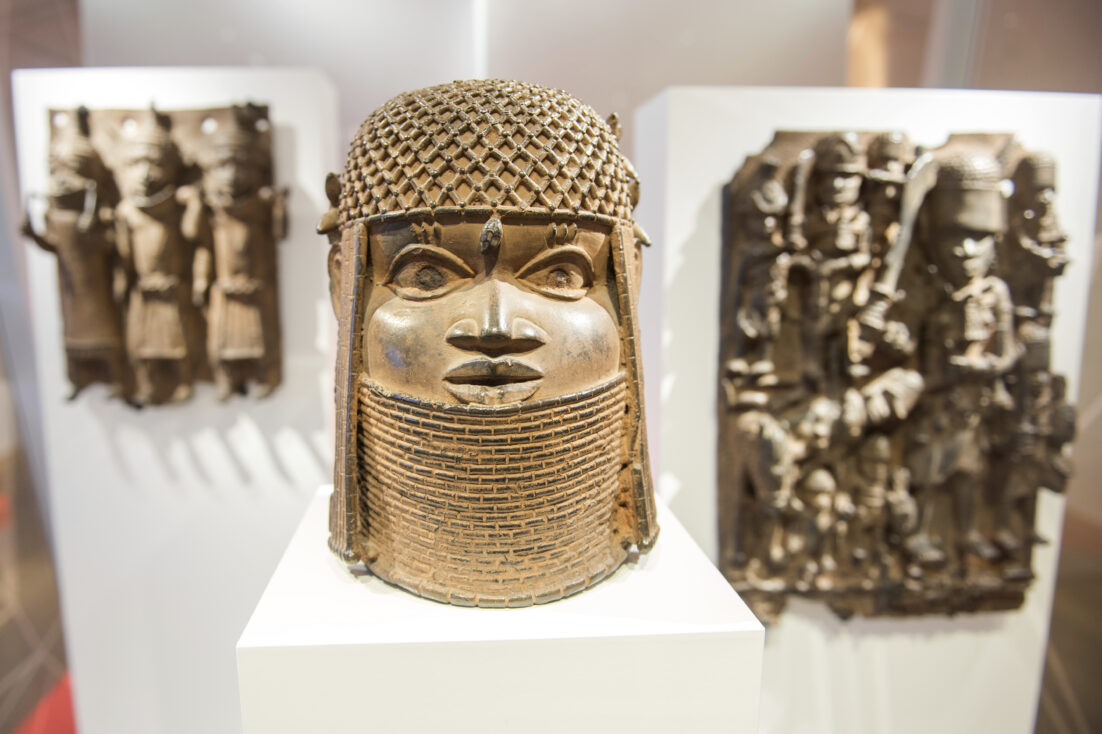
The global conversation around cultural heritage has changed dramatically over the past two decades. For centuries, priceless African treasures were taken to Europe during colonial expeditions, military raids, and so-called archaeological missions. These objects ended up in museums, private collections, and royal vaults, far away from the communities that created them.
Today, something remarkable is happening. European countries are finally beginning to return many of these stolen cultural treasures. Each return is more than a symbolic gesture. It represents healing, recognition, and a renewed respect for African history.
In this article, we explore the most valuable African artifacts that have been returned by Europeans, why they matter, and how their homecoming is reshaping cultural identity across the continent.
If you care about African history, art, or heritage, this is a story worth knowing.
Why African Artifacts Were Taken in the First Place
To understand why these returns matter, it helps to look at how the artifacts left Africa.
During the colonial era, European powers occupied large parts of Africa. Military campaigns often involved looting royal palaces, sacred sites, and community centers. Missionaries and explorers also collected artifacts under questionable circumstances, presenting them as “discoveries” for European museums.
These objects were not simple decorations. Many were spiritual symbols, royal regalia, historical records, or tools used in traditional governance. Removing them stripped communities of their identity and disrupted cultural continuity.
For decades, African nations asked for their heritage back. Those requests were mostly ignored.
That silence is finally breaking.
Most Valuable African Artifacts that have Been Returned by Europeans
1. The Benin Bronzes (Nigeria)
No discussion about the most valuable African artifacts that have been returned by Europeans is complete without the Benin Bronzes.
Cultural Significance
The Benin Bronzes are thousands of intricately crafted plaques, sculptures, and ceremonial objects created by the Edo people of present-day Nigeria. They date back as far as the 13th century and were housed in the royal palace of the Oba of Benin.
In 1897, British forces invaded Benin City and looted the palace. The artifacts were sold across Europe to finance the expedition. Today, they are considered some of the finest metal artworks ever produced in Africa.
Germany, the Netherlands, the United Kingdom, and several museums across Europe have begun returning Benin Bronzes to Nigeria. Thousands of pieces are now on their way home, with many already repatriated.
Their return marks one of the largest cultural restitutions in modern history and sets a powerful precedent for future claims.
The return of the Benin Bronzes is more than symbolic. It has revitalized interest in Edo history, inspired contemporary artists, and strengthened Nigeria’s efforts to preserve its cultural heritage in West Africa. Exhibitions showcasing the bronzes in Nigeria have drawn huge crowds, demonstrating the deep emotional and historical connection to these artifacts.
2. The Royal Treasures of Abomey (Benin Republic)
Another major milestone involves the royal artifacts of the Dahomey Kingdom, now modern Benin Republic.
Cultural Significance
In 1892, French troops looted the palaces of Abomey during their conquest of the kingdom. They carried away thrones, statues, doors, and ceremonial items belonging to King Béhanzin and his predecessors. These objects told the story of Dahomey’s political system, spiritual beliefs, and military traditions.
France returned 26 royal treasures to Benin in 2021. The artifacts now sit in national museums and are being used to educate younger generations about their precolonial history. For many citizens, seeing these items again was deeply emotional. It restored a missing chapter of national identity.
The Abomey treasures illustrate how artifacts are not just decorative. They are repositories of history and culture, connecting present and future generations with their ancestors.
3. The Magdala Treasures (Ethiopia)
Ethiopia has long campaigned for the return of treasures taken during the British expedition to Magdala in 1868.
Cultural Significance
These include crowns, manuscripts, religious icons, and ceremonial objects taken from Emperor Tewodros II after British forces stormed his mountain fortress. Many of these items are sacred to Ethiopian Orthodox Christianity and carry deep spiritual meaning.
Several manuscripts and artifacts have been returned by British institutions and private collectors. While many pieces still remain abroad, each successful restitution strengthens Ethiopia’s case for full recovery.
The return of Magdala treasures has allowed Ethiopian communities to revive religious ceremonies and reconnect with their spiritual heritage. Schools and universities now have the opportunity to teach history using authentic objects rather than reproductions.
4. The Ngonnso Statue (Cameroon)
The Ngonnso statue is not just artwork. It is a spiritual symbol for the Nso people of Cameroon.
Cultural Significance
Ngonnso represents the founding mother of the Nso kingdom. For decades, the statue was held in a German museum after being taken during colonial rule. Its absence left a spiritual gap in the community. Germany returned the statue to Cameroon in 2022. Traditional ceremonies welcomed it home, marking the revival of cultural practices that had been dormant for generations.
The statue’s return has allowed the Nso people to conduct rituals that had been interrupted for over a century, reestablishing the community’s spiritual and historical continuity.
5. Makonde Mask (Tanzania)
The Makonde mask is another powerful example of cultural restoration.
Cultural Significance
Taken during German colonial rule, this mask is sacred to the Makonde people of Tanzania. It plays a role in initiation rites and spiritual ceremonies. Germany returned the mask in 2010. Although the return happened quietly, its impact locally was profound. Elders described it as the return of a living ancestor rather than a museum object.
6. Sarcophagus of Nedjemankh (Egypt)
Not all returns involve colonial-era theft. Some artifacts were illegally trafficked in modern times.
Cultural Significance
The gilded sarcophagus of Nedjemankh, a priest from ancient Egypt, was smuggled out of the country and sold to a major museum in New York via European intermediaries. After investigations revealed forged export documents, the artifact was returned to Egypt in 2019.
This case highlighted how international cooperation can reverse even recent cultural crimes.
7. Gold and Ceremonial Objects (Ghana)
Ghana has also seen returns of some of its royal artifacts, including gold weights, ceremonial stools, and regalia from the Ashanti kingdom.
Cultural Significance
Many of these objects were taken to European museums in the 19th century. In 2021, Germany and the Netherlands returned several objects after lengthy negotiations. The return of Ashanti stools, which are symbols of political authority, has reinvigorated traditional ceremonies and strengthened Ghana’s cultural identity.
8. Timbuktu Manuscripts (Mali)
Mali’s ancient manuscripts, kept in Timbuktu for centuries, have faced threats from looters and war. Some manuscripts were taken abroad for safekeeping.
Cultural Significance
European institutions and private collectors have recently returned hundreds of these manuscripts, which include religious texts, historical records, and early scientific works. These documents are invaluable because they preserve centuries of African scholarship and learning.
Why These Returns Matter So Much to Africans
The return of African artifacts is not just about objects. It is about dignity, memory, and justice.

Here is why these restitutions are so important:
- Cultural Healing: Communities regain access to symbols that define who they are. Ceremonies, oral traditions, and educational programs can restart.
- Historical Accuracy: African history is often told through European archives. Returned artifacts allow Africans to tell their own stories using their own heritage.
- Economic Benefits: Museums and cultural centers attract tourism. This creates jobs and supports local economies.
- Global Awareness: Each return forces museums and governments to confront uncomfortable truths about colonialism and exploitation.
- Artistic Inspiration: Contemporary African artists are using returned artifacts to create new works that celebrate their heritage.
Challenges Still Facing Restitution Efforts
Despite progress, many obstacles remain.
- Legal ownership claims are complex and slow.
- Some museums argue they can preserve artifacts better than African institutions.
- Political hesitation delays action.
- Thousands of artifacts are still undocumented or hidden in private collections.
Africa is only at the beginning of a long journey, but each success strengthens the movement.
How African Countries Are Preparing for Returned Artifacts
Many European institutions once claimed Africa lacked proper facilities to care for valuable artifacts. That excuse is fading fast.
Countries like Nigeria, Senegal, Benin Republic, Ghana, and Mali are investing in modern museums, conservation training, and digital archives. Nigeria’s Edo Museum of West African Art is being developed specifically to house Benin Bronzes and related treasures. Senegal’s Museum of Black Civilizations already showcases returned works in world-class galleries.
Africa is building the infrastructure needed to protect its heritage and educate future generations.
The Role of Young Africans and Digital Media
Social media campaigns, online petitions, and digital storytelling have played a major role in accelerating restitution.
Young Africans are researching stolen artifacts, sharing museum inventories online, and demanding transparency. Hashtags and documentaries have turned what was once an academic issue into a global movement. This generation is proving that heritage is not just about the past. It is about identity in the present.
FAQs About Returned African Artifacts
What is the most famous African artifact returned from Europe?
The Benin Bronzes are the most widely known due to their scale, craftsmanship, and the number of institutions involved in their return.
Are all stolen African artifacts being returned?
No. Thousands remain in European museums and private collections. Restitution is ongoing and happens case by case.
Which European countries are returning artifacts?
Germany and France have taken major steps, followed by the Netherlands and some UK institutions. Progress varies by country.
Can individuals also return African artifacts?
Yes. Several private collectors have voluntarily returned items after learning their origins.
Why does restitution take so long?
Legal frameworks, provenance research, and negotiations make the process slow. Political and institutional resistance also play a role.
Wrapping Up
The return of Africa’s stolen heritage is one of the most important cultural movements of our time.
Each artifact that comes home carries centuries of history, artistry, and meaning. These objects reconnect communities with their ancestors and give future generations something tangible to learn from. The story of the most valuable African artifacts that have been returned by Europeans is still being written. What matters is that it is finally moving forward.
Africa’s heritage is not a display item for distant galleries. It belongs where it was created, among the people who understand its soul.
Slowly, piece by piece, it is finding its way back.