Who are the most influential African Americans in history?
This is just one of the many questions people ask from time to time. If you’re reading this, then you definitely need an answer too.
African American history is central to the story of the United States. From slavery to civil rights, from science to culture, African Americans have shaped the nation through courage, innovation, leadership, and persistence. So, it’s understandable that you want to know those who have had considerable influence over time.
Influence is however, not only about fame. It is about lasting impact, structural change, and ideas that continue to shape society long after a person is gone.
In this article, we delve into 15 most influential African Americans in history. Each individual listed here fundamentally changed laws, institutions, culture, or public thinking in ways that still matter today.
Who are the Most Influential African Americans in History?
Here’s a list of African Americans who have impacted the world in one way or the other over the centuries.
1. Frederick Douglass (1818–1895)
Frederick Douglass was born into slavery in Maryland and escaped in 1838. He became one of the most powerful voices against slavery in American history. His influence came from his intellect, moral clarity, and unmatched ability to communicate the reality of slavery to the public.
Douglass wrote several autobiographies, including Narrative of the Life of Frederick Douglass, an American Slave.
These works provided firsthand evidence of the brutality of slavery and dismantled the idea that enslaved Africans were intellectually inferior. His writing influenced public opinion in the North and strengthened the abolitionist movement.
Beyond abolition, Douglass advocated for women’s rights, supported the Union during the Civil War, and pushed for full citizenship and voting rights for formerly enslaved people. He advised presidents, served as a diplomat, and consistently argued that freedom without political power was incomplete.
His influence lies in transforming personal experience into national moral reckoning.
2. Harriet Tubman (c. 1822–1913)
Harriet Tubman was born enslaved in Maryland and escaped to freedom, but she repeatedly returned to slaveholding states to rescue others. She became the most famous conductor of the Underground Railroad, personally leading dozens of enslaved people to freedom.
Tubman’s influence extends beyond the number of people she freed. She represented direct resistance to slavery at a time when such actions were punishable by death. Her courage challenged the legal and moral foundations of the slave system.
During the Civil War, Tubman served the Union as a scout, spy, and nurse. She helped plan military operations and provided intelligence that led to the liberation of enslaved people in Confederate territories.
After the war, she advocated for women’s suffrage and supported formerly enslaved people. Tubman’s life reshaped how Americans understand resistance, leadership, and sacrifice.
3. W.E.B. Du Bois (1868–1963)
W.E.B. Du Bois was one of the most influential intellectuals in American history. He was the first African American to earn a PhD from Harvard University and used scholarship as a tool for social change.
Du Bois challenged the idea that African Americans should accept second-class citizenship in exchange for economic opportunity. He argued for immediate civil rights, political participation, and higher education.
His concept of “double consciousness” described the psychological tension of being Black in a racially divided society and remains influential in sociology and cultural studies.
He co-founded the NAACP and edited its magazine, The Crisis, using it to promote civil rights, Black art, and political activism. Du Bois believed that history itself was a battleground and that controlling the narrative was essential for justice.
His influence reshaped how race, identity, and power are studied and understood.
4. Booker T. Washington (1856–1915)
Booker T. Washington rose from enslavement to become one of the most powerful Black leaders of the late nineteenth century. He founded the Tuskegee Institute, an educational institution focused on vocational training and self-reliance.
Washington believed that economic independence was the foundation for social progress. He encouraged African Americans to build skills, businesses, and financial stability, even if it meant temporarily accepting segregation.
While his views were controversial and often criticized by figures like Du Bois, Washington’s influence was enormous. He advised presidents, controlled philanthropic funding for Black education, and shaped national conversations about race and progress.
His legacy reflects a strategic approach to survival and advancement in a deeply hostile society.
5. Martin Luther King Jr. (1929–1968)
Martin Luther King Jr. is one of the most recognizable figures in American history. As a Baptist minister and civil rights leader, he led a nonviolent movement that transformed American law and society.
King played a central role in the Montgomery Bus Boycott, the Birmingham Campaign, and the March on Washington. His leadership helped lead to the Civil Rights Act of 1964 and the Voting Rights Act of 1965.
His influence extended beyond legislation. King reframed civil rights as a moral issue that affected the conscience of the nation. His speeches and writings combined religious ethics, constitutional ideals, and nonviolent philosophy.
Even after his assassination, King’s ideas continue to shape activism worldwide.
6. Malcolm X (1925–1965)
Malcolm X was one of the most influential and complex figures in African American history. He offered a sharp critique of racism, capitalism, and American hypocrisy.
Unlike King, Malcolm X emphasized self-defense, Black pride, and self-determination. He challenged African Americans to see themselves not as victims seeking approval, but as a global people with rights and power.
After leaving the Nation of Islam, Malcolm’s views evolved. He began to embrace broader human rights frameworks and international solidarity. His autobiography remains one of the most influential political texts of the twentieth century.
Malcolm X expanded the boundaries of political thought and forced America to confront uncomfortable truths.
7. Rosa Parks (1913–2005)
Rosa Parks is often remembered for refusing to give up her seat on a Montgomery bus, but her influence goes far deeper. Parks was a trained activist who had long worked with civil rights organizations before her arrest.
Her act of resistance helped spark the Montgomery Bus Boycott, a turning point in the civil rights movement. The boycott demonstrated the power of organized, sustained protest and brought national attention to racial injustice.
Parks continued to work for civil rights throughout her life, advocating for housing equality, political participation, and youth education.
Her influence lies in showing how disciplined resistance by ordinary individuals can trigger extraordinary change.
8. Thurgood Marshall (1908–1993)
Thurgood Marshall was the first African American Supreme Court justice and one of the most influential legal minds in American history.
Before joining the Court, Marshall served as the lead attorney for the NAACP Legal Defense Fund. He argued and won Brown v. Board of Education, the case that declared racial segregation in public schools unconstitutional.
Marshall believed the Constitution was a living document meant to protect the vulnerable. On the Supreme Court, he consistently defended civil rights, due process, and equal protection under the law.
His influence reshaped American legal standards and expanded the meaning of constitutional equality.
9. Sojourner Truth (c. 1797–1883)
Sojourner Truth was born enslaved in New York and later became a powerful abolitionist and women’s rights advocate. She was known for her commanding presence and unforgettable speeches.
Her famous “Ain’t I a Woman?” speech challenged both racism and sexism, exposing how Black women were excluded from mainstream feminist and abolitionist movements.
Truth traveled extensively, speaking against slavery and advocating for equal rights. She believed justice could not be divided by race or gender.
Her influence remains central to discussions of intersectionality and human rights.
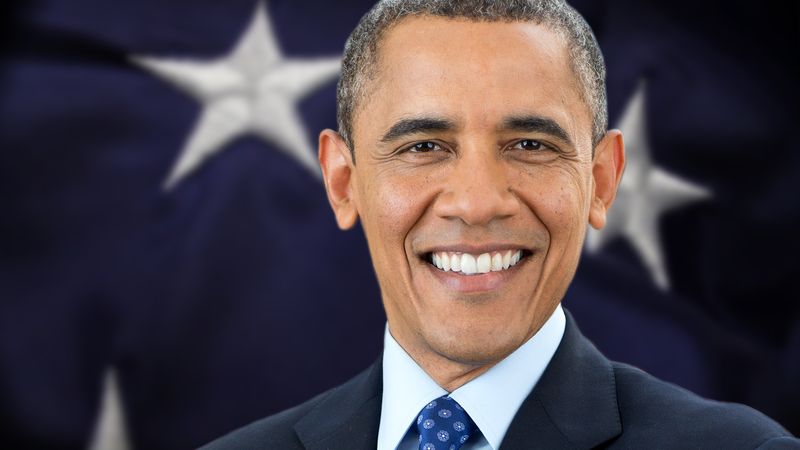
10. Barack Obama (born 1961)
Barack Obama became the first African American president of the United States in 2009. His election marked a historic shift in American political culture.
Obama’s presidency influenced domestic policy, healthcare reform, foreign relations, and public discourse. He expanded access to healthcare through the Affordable Care Act and represented a new model of Black leadership on the global stage.
Beyond policy, Obama’s influence lies in representation. His presidency reshaped ideas of who could lead the nation and inspired a new generation of political engagement.
11. Ida B. Wells (1862–1931)
Ida B. Wells was a journalist, educator, and activist who led one of the earliest anti-lynching campaigns in American history.
Through investigative journalism, Wells exposed the myths used to justify racial violence. She documented cases of lynching and challenged both white supremacy and Black silence.
Wells also fought for women’s suffrage and co-founded civil rights organizations. Her fearless reporting laid the groundwork for modern investigative journalism and human rights advocacy.
Her influence lies in her refusal to accept lies as truth.
12. Langston Hughes (1901–1967)
Langston Hughes was one of the central figures of the Harlem Renaissance. His poetry, essays, and plays captured the everyday lives of Black Americans with honesty and pride.
Hughes rejected the idea that Black art needed to imitate white standards. He celebrated Black language, music, and culture as worthy subjects of serious literature.
His influence shaped American literature and helped define Black cultural identity in the twentieth century.
13. Jackie Robinson (1919–1972)
Jackie Robinson broke Major League Baseball’s color barrier in 1947. His success challenged segregation in professional sports and beyond.
Robinson endured intense racism but maintained dignity and excellence. His presence in baseball forced Americans to confront racial inequality in a highly visible arena.
His influence extended into business, politics, and civil rights advocacy after his athletic career.
14. Madam C.J. Walker (1867–1919)
Madam C.J. Walker became one of the first self-made female millionaires in America. She built a hair care empire that employed thousands of Black women.
Walker used her wealth to support civil rights causes, education, and social institutions. She demonstrated that economic power could be a tool for community uplift.
Her influence reshaped ideas about Black entrepreneurship and women’s leadership.
15. James Baldwin (1924–1987)
James Baldwin was a writer and intellectual who explored race, identity, sexuality, and power with unmatched honesty.
His essays and novels confronted the psychological cost of racism and the moral failures of American society. Baldwin’s work challenged both white complacency and Black conformity.
His influence continues in literature, activism, and cultural criticism.
Before You Go
The influence of African Americans in history is not limited to a single movement or era. It spans centuries and touches every aspect of American life. The individuals listed here shaped laws, culture, thought, and identity through courage, intellect, and persistence.
We continue to see their influence in conversations about justice, equality, and human dignity today.