Africa is a great place to be, especially if you’re a tourist looking to explore the world. However, with the current safety concerns in the region, you can’t be too careful.
In fact, many travelers who dream of exploring the continent’s incredible wildlife, diverse culture, and stunning landscapes, hesitate to do so due to the insecurity. But, here’s the good news. Africa still has numerous safe destinations where you can experience unforgettable adventures with peace of mind.
In this guide, we’ll cover the top 7 safest African countries for tourists, considering factors such as crime rates, healthcare infrastructure, political stability, and past traveler experiences.
What makes a country safe for tourists?
Before we begin to explore this list, it’s important that we understand what it means to be “safe.”
As I mentioned earlier, we created this list after looking out a few factors including low crime rates, political stability, quality healthcare facilities, reliable transportation infrastructure, and low risk of natural disasters or health emergencies.
These are factors that indeed prove a country to be safe to inhabitants and of course, tourists. We also evaluated each country based on global peace indices, tourism statistics, government travel advisories, and feedback from international travelers.
Now, let’s dive right in.
What are the Safest African Countries for Tourists?
Want to get to it? Here are the top 7 safest destinations in Africa:
1. Mauritius
Mauritius ranks as Africa’s safest country for tourists. This island nation in the Indian Ocean boasts one of the continent’s lowest crime rates and welcomes over a million visitors annually who rarely encounter any safety issues.
The country’s stable democracy, developed infrastructure, and tourism-focused economy create an environment where visitors feel secure. Violent crime against tourists is extremely rare, and the local population is known for their hospitality. The police force is professional and visible in tourist areas.
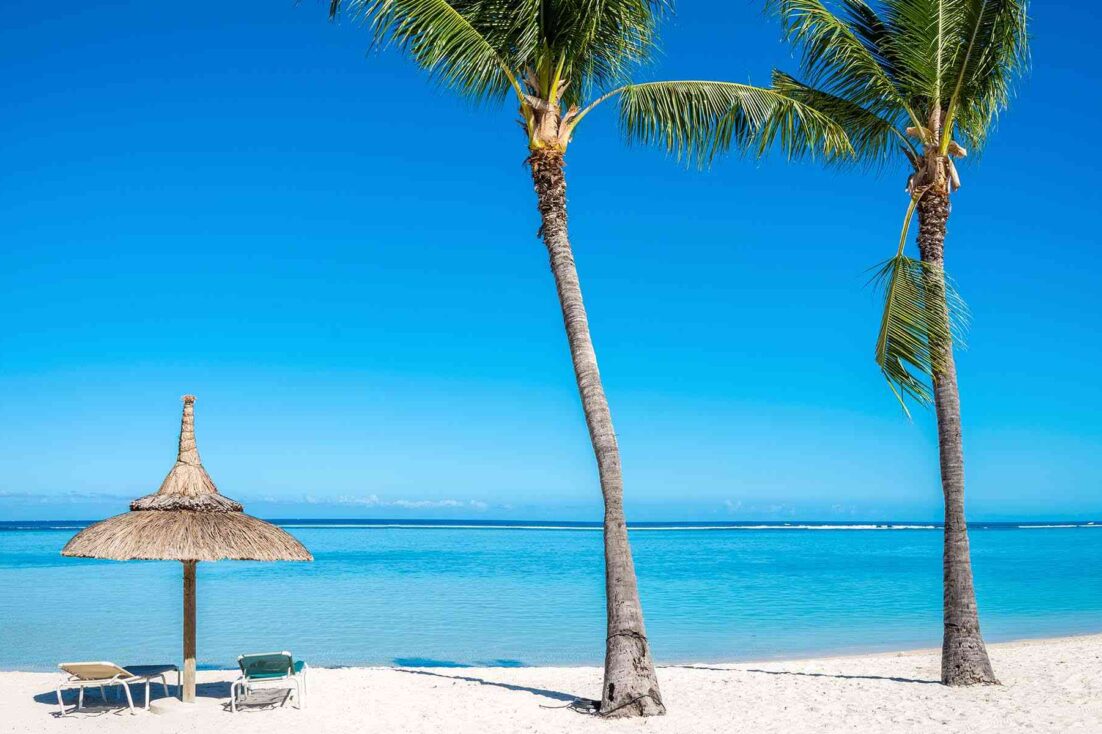
What makes Mauritius special beyond safety is its stunning natural beauty. Picture white sand beaches, crystal-clear lagoons, and lush mountains. The multicultural society blends Indian, African, Chinese, and European influences, creating a unique cultural experience. English and French are widely spoken, making communication easy for international visitors.
Healthcare facilities in Mauritius meet international standards, with private clinics offering excellent service. The country also has no dangerous wildlife or endemic tropical diseases that pose significant risks to travelers.
2. Botswana
Botswana sets the gold standard for safe safari tourism in Africa. This southern African nation has maintained political stability since independence and has one of the continent’s lowest corruption rates. The government’s commitment to high-value, low-impact tourism means well-managed parks and professional safari operations.
Crime rates are relatively low, especially in tourist areas. The Okavango Delta, Chobe National Park, and the Kalahari Desert attract wildlife enthusiasts who can explore with minimal safety concerns. Safari camps and lodges maintain high security standards, and guides are extensively trained.
The country’s small population and vast wilderness areas mean that tourist destinations never feel overcrowded. Botswana’s stable economy, bolstered by diamond mining and tourism, contributes to overall security.
Healthcare in major towns like Gaborone and Maun is adequate, and evacuation services are available in remote areas. While you’ll encounter Africa’s Big Five here, structured safari activities with experienced guides keep wildlife encounters safe and thrilling rather than dangerous.
3. Rwanda
Rwanda’s transformation over the past three decades is nothing short of remarkable. Today, it’s one of Africa’s safest and cleanest countries. The capital, Kigali, is often cited as one of the continent’s safest cities, where people walk freely at night and crime is notably low.
The Rwandan government has invested heavily in security and tourism infrastructure. Police presence is visible but not intimidating, and there’s a strong culture of community safety. The country is famous for its mountain gorilla trekking experiences in Volcanoes National Park, conducted with strict safety protocols.
Rwanda’s commitment to cleanliness is legendary. Plastic bags are banned, and monthly community cleanup days keep cities spotless. This attention to order extends to tourist safety. Hotels, restaurants, and tour operators meet international standards.
English is widely spoken in tourist areas, and the local population is exceptionally welcoming. Healthcare facilities in Kigali are good, with several international-standard hospitals and clinics.
4. Namibia
Namibia offers vast open spaces, dramatic landscapes, and excellent safety conditions for tourists. This sparsely populated country has maintained political stability since independence and has a well-developed tourism sector.
There isn’t usually crime against tourists in Namibia, especially outside urban areas. The famous destinations like Sossusvlei, Etosha National Park, and the Skeleton Coast operate with high safety standards. Self-drive safaris are popular here, testament to the safe road conditions and low crime rates.
Namibia’s German colonial history has left a legacy of good infrastructure, including well-maintained roads and efficient services. English is the official language, making communication straightforward. The country’s tourism industry is mature and professional, with experienced operators who prioritize guest safety.
Major towns like Windhoek and Swakopmund boast adequate healthcare infrastructure. In Namibia, the main precautions usually involve the natural environment rather than security threats. The desert climate for example, requires proper hydration and sun protection, especially for foreigners.
5. Seychelles
Like Mauritius, Seychelles is an island nation that offers exceptional safety for tourists. This archipelago of 115 islands in the Indian Ocean has very low crime rates and a stable political environment.
In fact, Seychelles’ economy depends heavily on tourism, so the government and local businesses work hard to maintain a safe environment for visitors. Violent crime is non-existent, and petty theft is rare. The small population and island geography contribute to the overall sense of security.
Seychelles is perfect for beach lovers, honeymooners, and anyone seeking relaxation in a quiet place. The islands offer luxury resorts, pristine beaches, and excellent diving and snorkeling. English and French are widely spoken in the country.
Also, healthcare facilities on the main islands are great, with a modern hospital in the capital, Victoria. It’s best to take precautions against sun exposure due to Seychelles’ tropical climate.
6. Ghana
Ghana, another of the safest African countries for tourists. The West African country has a strong democratic tradition and has experienced peaceful transfers of power through multiple election cycles. Ghanaians are famously friendly, and the phrase “Akwaaba” (welcome) truly reflects the national attitude toward visitors.

Crime rates are moderate, with violent crime against tourists being rare. Standard urban precautions apply in cities like Accra and Kumasi, but overall, visitors feel safe. The tourism infrastructure is well-developed, with good hotels, reliable tour operators, and improving transportation networks.
Ghana offers rich cultural experiences, from the historical significance of Cape Coast and Elmina castles to vibrant markets and traditional festivals. The country’s diverse landscapes include tropical beaches, rainforests, and the scenic Volta Region.
English is the official language, making Ghana accessible for international travelers. Healthcare facilities in major cities are also great, though it’s advisable to have comprehensive travel insurance.
7. Tanzania
Tanzania is home to some of Africa’s most iconic destinations, including Mount Kilimanjaro, the Serengeti, and Zanzibar. Despite some challenges in urban areas, the country’s tourist regions are generally safe and well-managed.
The northern safari circuit, comprising Serengeti National Park, Ngorongoro Crater, and Tarangire National Park, operates with high safety standards. Tour operators are experienced and licensed, and wildlife viewing is conducted safely with professional guides.
Zanzibar, the semi-autonomous archipelago, is particularly safe for tourists. The island’s economy depends on tourism, and local authorities maintain security in tourist areas. Stone Town’s narrow streets and beach resorts are generally secure, though standard precautions against petty theft apply.
While Dar es Salaam and other urban areas require more caution, the vast majority of tourists who stick to established tourist routes and use reputable operators have trouble-free experiences. Healthcare in tourist areas is adequate, with better facilities available in major cities.
Practical Safety Tips for Traveling in Africa
As this list clearly shows, there are several countries you can travel to in Africa and still be guaranteed of your safety. However, you’ll want to stick to these safety guidelines regardless of the country you decide to visit:
- Research your destination thoroughly before traveling. Understand local customs, appropriate dress codes, and cultural sensitivities. Register with your embassy if staying for extended periods.
- Use reputable accommodations and tour operators. Read reviews and make reservations through established platforms. In safari destinations, only use licensed operators with good safety records.
- Stay aware of your surroundings. This universal travel advice applies everywhere. Avoid displaying expensive jewelry or electronics conspicuously. Keep copies of important documents separate from originals.
- Follow local advice about areas to avoid and times to be cautious. Hotel staff and tour guides can provide current information about safe practices.
- Get comprehensive travel insurance that covers medical evacuation. Some African countries have limited healthcare facilities outside major cities.
- Keep emergency contacts handy, including your country’s embassy, local emergency services, and your accommodation. Many African countries now have reliable mobile networks.
- Respect wildlife when on safari. Always follow your guide’s instructions and maintain safe distances from animals.
When is the Best Time to Visit Africa?
We’ve explored the safest African countries for tourists and you should know that safety conditions are usually stable in most of these countries, but other factors may affect the best time to visit. East African safari destinations have two dry seasons ideal for wildlife viewing (June to October and January to February).
Southern African countries are best visited during their dry winter months (May to October). Island nations like Mauritius and Seychelles have tropical climates with cyclone seasons to consider (November to April). North African destinations are pleasant from October to April, avoiding summer heat.
Wrapping Up
There’s no limit to what Africa has to offer to tourists from any part of the world and these 7 safe countries prove that you can experience the magic of Africa without compromising on security. From pristine beaches and desert landscapes to wildlife safaris and rich cultural heritage, safe African destinations cater to every travel style.
The key is choosing the right destination for your interests, traveling with reputable operators, following local guidance, and taking sensible precautions. Millions of tourists visit these African countries annually and return home with nothing but wonderful memories and stunning photographs.
Don’t let unfounded fears prevent you from experiencing one of the world’s most spectacular continents. Start planning your African adventure today. Research thoroughly, book wisely, and prepare to be amazed by the warmth, beauty, and diversity of the world’s second-largest continent.
Africa welcomes you with open arms, and these safe countries are ready to show you the trip of a lifetime.