Planning a trip to Africa and wondering which of the regions are the safest? You’re in the right place.
Africa, home to bustling cities, vast deserts, lush tropical forests, historic empires, and some of the most welcoming people you will ever meet, is sometimes painted as a dangerous place, when safety is the topic.
However, the reality is far from complex. Many African countries are not only peaceful but rank among the safest in the world on certain metrics.
This article explores the 15 safest countries in Africa, highlighting what makes them secure places to live, work, visit, or invest in. Safety here is assessed broadly, accounting for low crime rates, stable governance, minimal conflict, social cohesion, and positive peace indicators.
Now, let’s dive right in!
Safest Countries in Africa to Travel to
The safest countries in Africa are:
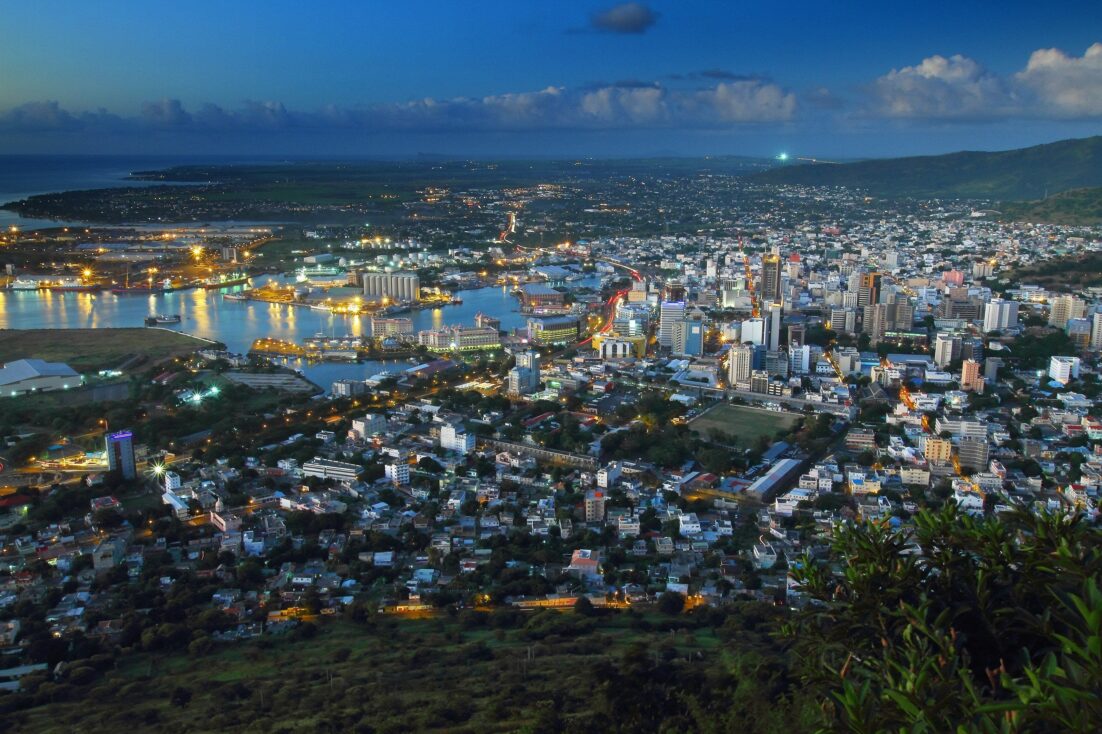
1. Mauritius
Mauritius is the jewel of the Indian Ocean and tops most safety rankings in Africa. It has a strong record of political stability, low violent crime, minimal internal conflict, and limited militarization.
The island’s economy thrives on tourism, finance, and sugar production, creating prosperity that supports community wellbeing. Mauritius consistently ranks as Africa’s safest nation in the Global Peace Index and is one of the few African countries that breaks into the top 25 globally.
Visitors to Mauritius often comment not only on its stunning beaches and coral reefs but also on how secure they feel exploring its towns, markets, and natural landscapes. The friendly nature of the local population adds to this sense of safety, making it ideal for families and solo travelers alike.
2. Botswana
Botswana is often held up as a model of African democracy and governance. Since independence, it has maintained relatively peaceful elections, transparent institutions, and prudent economic management. This stability has translated into a safe environment for residents and tourists alike.
Petty crime, such as pickpocketing in cities, does occur, but violent crime is rare outside isolated areas. Botswana performs well on peace and safety indexes and attracts visitors with its wildlife parks, like the Okavango Delta and Chobe National Park, where conservation and security go hand in hand.
All of these make it one of the safest countries in Africa.
3. Namibia
Namibia’s vast landscapes are matched by a peaceful way of life. With one of the lowest population densities on the continent, the country offers open skies and tranquil surroundings. It consistently ranks high for peace and safety, and tourists generally feel secure traveling between destinations.
The government’s emphasis on hospitality and sustainable tourism ensures that even remote safari lodges are supported by security networks and community partnerships. Urban areas have some petty crime, but overall Namibia is a reassuringly safe choice for visitors.
4. Ghana
Ghana, also one of the fastest growing tech cities in Africa, is often described as West Africa’s beacon of peace. Its democratic institutions have grown stronger over decades of peaceful transitions of power, and its legal frameworks support civil liberties and safety.
Many international reports list Ghana as one of the most stable and secure destinations on the continent.
Even in Accra and Kumasi, larger cities where petty theft can happen, there are well-organized police units and community safety initiatives that provide visible security.
Visitors find the Ghanaians’ renowned hospitality matched by an environment where they can explore markets, beaches, and historical sites with confidence.
5. Zambia
Zambia enjoys a reputation for peaceful living, both in its rural districts and in urban centers like Lusaka. Its peace rating on global indexes reflects a stable political climate and manageable crime levels. Zambia’s appeal lies in nature tourism, particularly around Victoria Falls, one of Africa’s most spectacular natural wonders.
Safety is further supported by community policing efforts and tourist-friendly infrastructure. While caution is always advisable after dark or in less populated areas, Zambia remains a solid choice for travelers seeking serenity in a dynamic cultural and natural environment.
6. Madagascar
Madagascar’s combination of unique biodiversity and calm lifestyle makes it one of the safest countries in Africa. The country ranks among Africa’s less conflict-prone nations, and although it faces challenges like poverty and infrastructure gaps, crime levels remain low compared with many parts of the continent.
Tourist hotspots like Nosy Be, Isalo National Park, and the Avenue of the Baobabs are well-patrolled and supported by local guides, making exploration safe and enjoyable. Problems arise mostly when travelers stray far off the beaten path without preparation.
7. The Gambia
The Gambia is one of Africa’s smallest nations but it includes some of its most welcoming communities. Increasing peace, political reforms, and local safety initiatives have improved its security ratings in recent years.
Though not perfect, especially as it builds capacity for policing and infrastructure, The Gambia’s tourism sector remains safe for visitors, particularly around coastal areas and Banjul. Its blend of culture, beaches, and river life draws many visitors who find its relaxed pace matched by dependable safety.
8. Sierra Leone
Sierra Leone has made significant strides since the end of its civil war. Peacebuilding efforts, institutional reforms, and community engagement have helped lower violence levels and improve perceptions of safety.
Crime still exists, but major urban centers like Freetown are more secure today than in the past, and the government has invested in policing and social services to support long-term stability. Sierra Leone’s beaches and cultural heritage are becoming more popular with tourists and investors who appreciate its evolving safety landscape.
9. Liberia
Liberia’s safety ranking reflects slow but steady progress in governance and social stability. After years of civil conflict, the nation has focused on reconciliation and rebuilding, which has helped reduce violent crime and strengthen communal trust.
Townships and urban centers have their challenges, but for many residents and visitors, key districts feel secure and community policing initiatives are visible. Liberia’s natural attractions, including beaches and forests, are drawing increasing attention from eco-tourism operators.
10. Tunisia
Tunisia stands out as a safe destination in North Africa. Its relative safety is rooted in stable urban environments, significant tourism infrastructure, and strong security cooperation across the region.
While unrest has occurred in some sectors over the years, the overall environment remains favorable for tourists and expatriates. Coastal cities like Tunis, Hammamet, and Sousse are popular with travelers who find safety and cultural richness in equal measure.
11. Morocco
Morocco combines historical cities, rugged mountains, and sweeping desert landscapes with a strong law-and-order environment that many visitors appreciate. Its safety profile is bolstered by focused tourism policing and community awareness against crime.
Casablanca, Marrakech, and Rabat are bustling and busy, but with sensible precautions they are considered safe for exploring souks, cafes, and historic medinas. Rural areas are generally calm, though, as in any destination, travelers should stay informed about local conditions.
12. Senegal
Senegal retains a reputation for peace across West Africa. Dakar is vibrant and cosmopolitan, with a visible security presence that supports both residents and visitors.

Crime is usually limited to petty theft and minor scams, and with awareness and basic precautions, most travelers enjoy their stay. Senegal’s beaches, music culture, and friendly communities make it a memorable and secure spot in the region.
13. Malawi
Malawi is known as the “Warm Heart of Africa,” and that warmth extends to its safe environment. With low violent crime and a peaceful social atmosphere, the country frequently appears on safety lists that draw travelers seeking nature, lake retreats, and cultural experiences.
Lilongwe and Blantyre have urban challenges typical of cities anywhere, but they also benefit from community initiatives and an overall calm environment that helps keep serious crime low.
14. Egypt
Egypt’s remarkable layers of history make it a bucket-list destination for many travelers. Alongside its cultural richness, the government has maintained a focus on reducing crime in tourist areas and ensuring key archaeological sites are well protected.
While some regions near borders and in the Sinai Peninsula remain sensitive, most travelers feel safe in Cairo, Luxor, Aswan, and along the Red Sea coast. Awareness of advisories and local conditions makes Egypt a solid addition to this list.
15. Rwanda
Rwanda’s inclusion round out our list. It has earned praise for its safety, particularly in Kigali, which is frequently cited as one of Africa’s cleanest and most orderly capitals. Community policing, low crime rates, and strong governance help Rwanda stand out in security evaluations.
Beyond Kigali, national parks like Volcanoes and Akagera operate with reliable safety standards. Visitors often remark on the visible presence of law enforcement working proactively rather than reactively.
Tips for Safe Travel and Living
Regardless of where you are in Africa, or anywhere else in the world, here are some practical tips to stay safe:
1. Stay Updated on Local Advice
Before traveling, check government travel advisories and local news for updates on security situations.
2. Use Reliable Transportation
Stick to licensed taxis, ride-hailing apps, or recommended transport services, especially at night.
3. Be Aware of Your Surroundings
Pickpocketing and petty theft can happen even in safe cities. Keep valuables secure and remain alert in crowded areas.
4. Respect Local Customs
Understanding cultural norms and social expectations helps you blend in and avoid unwanted attention.
5. Connect with Locals
Residents often have the best insight into where to go and what to avoid. A local guide or host can be invaluable.
These simple precautions can dramatically improve your experience and safety in any destination.
Conclusion
Unlike the stereotypes flying around about Africa, it remains a safe place where millions of people live, work, and explore with confidence and peace. The top 15 safest countries in Africa listed here offer a unique blend of stability, and hospitality.
From the tranquil shores of Mauritius to the historic streets of Morocco and the welcoming communities of Ghana and Rwanda, these nations show that Africa is ready to be experienced on your terms. Whether you are planning a long-term move, a family vacation, or an adventurous tour, these destinations exemplify what safety looks like on this remarkable continent.
While no place is completely free from risk, these countries are proof that Africa’s story includes many chapters where peace, security, and growth are the defining threads.