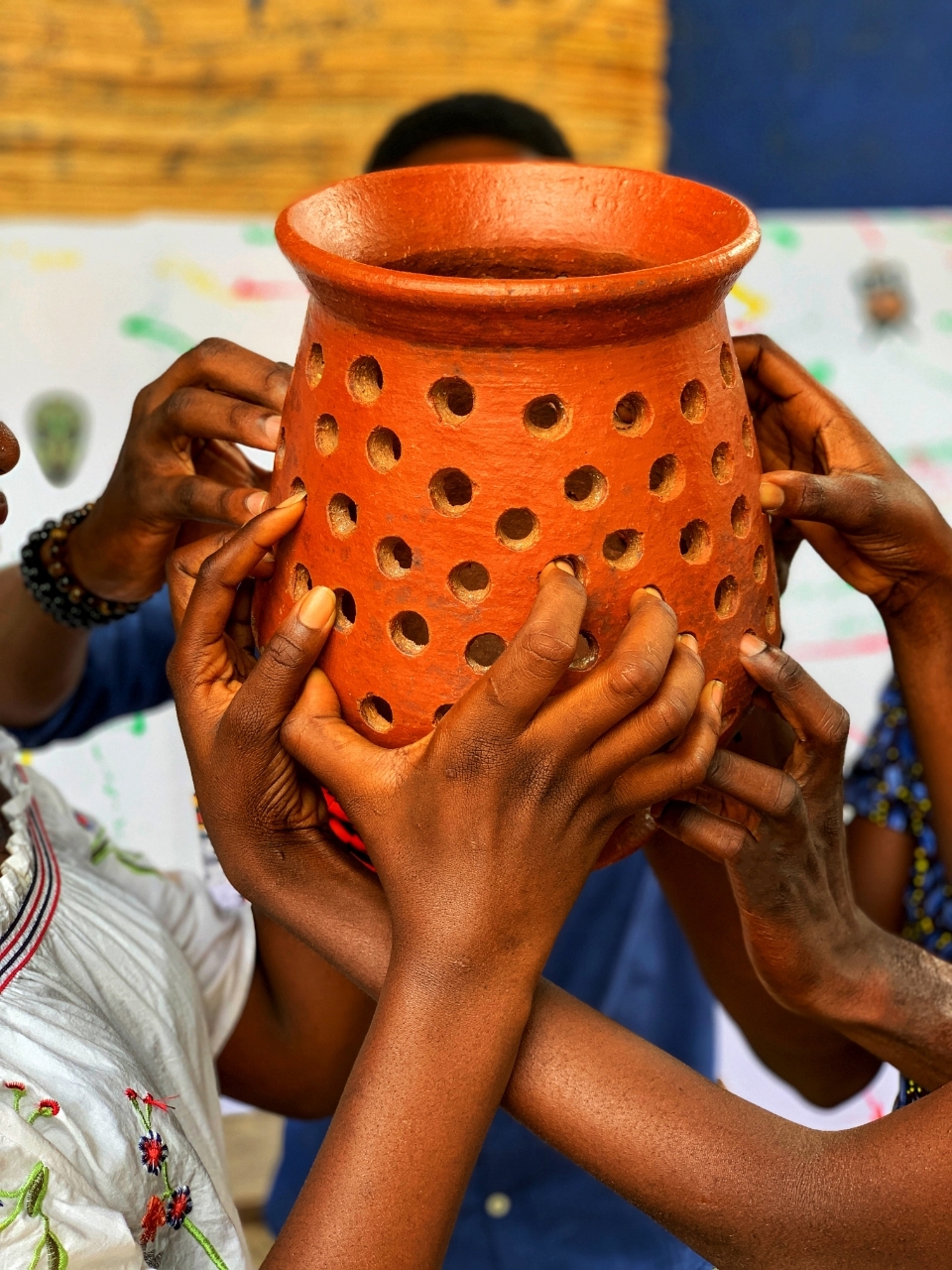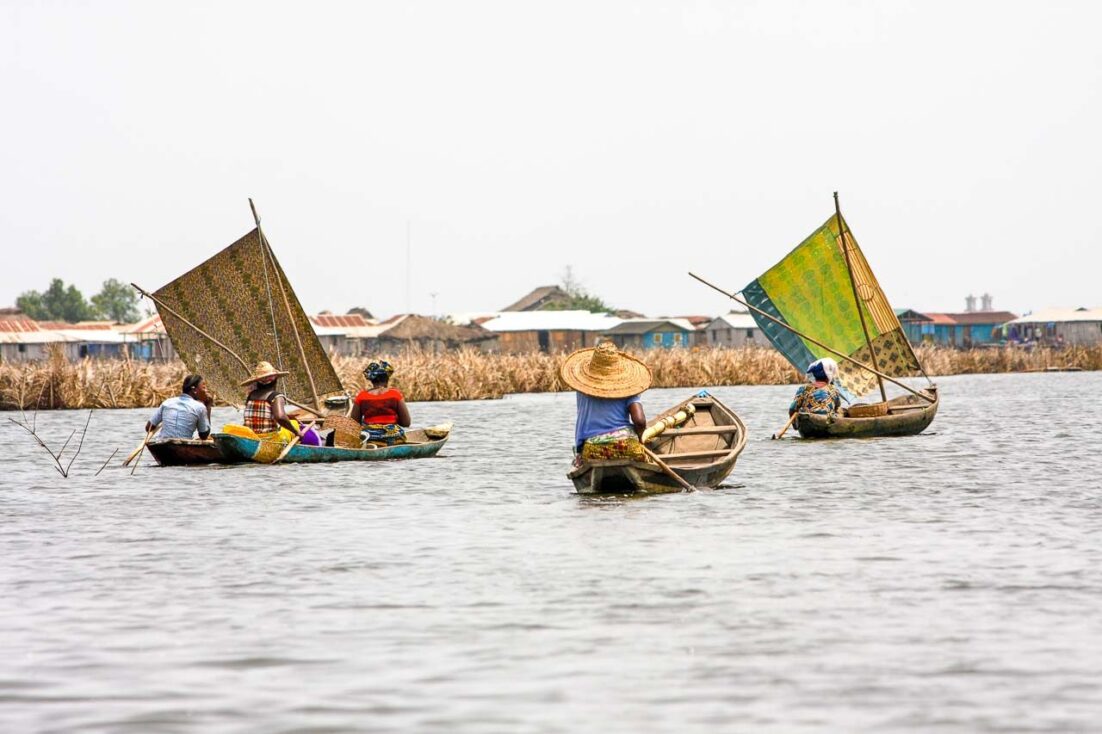
Aside from being an important part of Africa, West Africa is also one of the most culturally rich and historically influential regions in the world. However, there are so many facts about it that remain unknown to a lot of people.
The region consists of 16 countries, including Nigeria, Ghana, Sierra Leone, Côte d’Ivoire, The Gambia, Mali, Benin Republic, Burkina Faso, and Senegal, amongst others. It is popular for its traditions, ancient civilizations, food, music (Afrobeats, dancehall reggae), and community values.
But as I pointed out already, there are still numerous fascinating details about West Africa, as it is often spoken about in broad terms.
In this article, we explore fun facts about West Africa that reveal why the region is so special, and why the rest of the world will continue to feel its impact.
10 Fun Facts about West Africa that you probably didn’t know
1. West Africa Is One of the Most Linguistically Diverse Regions on Earth
The incredible linguistic diversity is perhaps one of the most impressive facts about West Africa. It is home to more than 400 distinct languages, spread across those 16 countries. This alone makes it one of the most linguistically dense areas in the world.
Languages in West Africa belong mainly to three major language families:
- Niger-Congo (Yoruba, Igbo, Akan, Wolof, Ewe)
- Afro-Asiatic (primarily Hausa)
- Nilo-Saharan (spoken in limited regions)
In several West African countries, it’s normal to speak more than one language. A person may speak:
- A native ethnic language
- A regional trade language
- An official colonial language such as English, French, or Portuguese.
A good example of this is in Nigeria, which has over 500 indigenous languages, and switching between them during conversations is very common. This linguistic richness influences storytelling, humor, music, and even social relationships.
2. Some of the Richest and Most Powerful Ancient Empires Were West African
I can imagine how surprised you’d be to find out about this. Historical records show that West Africa was home to some of the most advanced and wealthy empires in human history, long before modern nation-states existed.
Three of the most notable were:
- The Ghana Empire (c. 300–1200 AD)
- The Mali Empire (c. 1235–1600 AD)
- The Songhai Empire (c. 1430–1591 AD)
The Mali Empire, for example, reached its peak under Mansa Musa, whose wealth became legendary. His pilgrimage to Mecca in the 14th century was so extravagant that it reportedly disrupted gold markets across several regions.
Also, the majority of these empires thrived largely due to trans-Saharan trade, controlling the movement of gold, salt, ivory, and other valuable goods. In fact, the gold from West Africa fuels economies across The Middle East, North Africa, and some parts of Europe.
3. Timbuktu Was Once One of the World’s Greatest Centers of Learning
Timbuktu, a historic city in Mali, was one of the most important intellectual capitals in the world. However, today, it is often used as a metaphor for a distant or mysterious place, which it hasn’t always been.
Between the 14th and 16th centuries, the city of Timbuktu was home to:
- Prestigious Islamic universities (This explains why it’s famous as a medieval center of Islamic learning)
- Renowned scholars
- Extensive libraries containing thousands of manuscripts
These manuscripts covered subjects such as mathematics, medicine, astronomy, law, theology, and philosophy. Also, many scholars traveled from North Africa, the Middle East, and even parts of Europe to study in Timbuktu.
If anything, the legacy of Timbuktu proves that formal education, science, and scholarship were deeply established in West Africa centuries before European colonization.
4. Jollof Rice Is More Than Food
For most foreigners, the first thing that comes to mind when they hear about Africa is “Jollof”. It’s safe to say that the famous “Nigerian Vs Ghana Jollof rice” debate also contributed to putting the whole continent on the map, and not just West Africa.
While Jollof rice may seem like just a meal, it represents identity, pride, and friendly rivalry across the West African region.
The dish typically consists of:
- Rice cooked in tomato sauce
- Peppers, onions, and spices
- Meat, fish, or vegetables
Aside from Nigeria and Ghana, other countries like Senegal, Sierra Leone, and The Gambia all have their own Jollof rice variations.
Jollof rice is a staple at weddings, parties, and family gatherings, and its popularity has spread globally, appearing on international menus and food blogs worldwide.
5. West Africa Has One of the Youngest Populations in the World
West Africa also happens to be one of the youngest regions on the planet. The median age in many of its countries is under 20, meaning a large portion of the population is made up of children, teenagers, and young adults.
This youthful demographic drives:
- Creative industries like music and fashion
- Tech cities and innovation hubs
- Political activism and social movements
- Digital culture and social media trends
Cities such as Lagos, Accra, Dakar, and Abidjan are filled with young entrepreneurs, artists, designers, and tech founders solving local problems with global relevance. This youthful energy is a major reason why West Africa’s influence continues to grow internationally.
6. Afrobeats Became a Global Sound from West Africa
Afrobeats, a modern music genre has grown to be one of west Africa’s biggest cultural exports, taking over charts around the world. Fela Anikulapo Kuti, the pioneer of the original “Afrobeat” genre, began the movement in the late 1960s, with Tony Allen.
The Afrobeats genre blends:
- Traditional African rhythms
- Highlife
- Hip-hop
- Dancehall
- Pop music
Over the past decade, the genre has grown from a regional sound into a global movement. Afrobeats songs are now played at international festivals, award shows, and clubs across Europe, North America, Asia, and beyond.
The success of Afrobeats and other music genres from West Africa have helped reshape global perceptions of African music and have opened doors for other African creatives on the world stage.
7. West Africa Contains Part of the World’s Largest Hot Desert
While West Africa is often associated with tropical beaches and climates, a significant portion of the region lies within the Sahara Desert, the largest hot desert in the world. Mali, Niger, Mauritania, Burkina Faso are some of the countries with desert regions.

In these areas, you’ll find vast sand dunes, ancient trade routes, and nomadic communities that have lived in harmony with harsh desert conditions for centuries.
The contrast between coastal rainforests and desert landscapes makes West Africa geographically diverse and visually striking.
8. West Africa Has Shaped Global Culture in Profound Ways
As a culturally rich region, it was only a matter of time before its influence began to spread beyond the continent, especially with the growing rates of migration and the African diaspora.
Despite the tragic history of the transatlantic slave trade, West African cultures survived and shaped societies across The Caribbean, South America, and North America.
You’ll find elements of West African culture in food traditions, religious practices, folklore, and music styles like Jazz, Blues, Samba, and Reggae.
Today, many people of African descent are reconnecting with West African heritage, language, and traditions, strengthening cultural ties across continents.
9. Hospitality, Humor, and Community Are Central to West African Life
If you’ve ever been to West Africa, you may be able to attest to all of these, and if you haven’t, perhaps this should convince you to give it a try. The hospitality and humor are really one of the most memorable things about people in the region.
As a visitor, some things you’ll often notice are:
- Warm greetings from strangers
- A strong sense of community
- The importance of shared meals and conversations
Humor also plays a major role in everyday life. Jokes, proverbs, storytelling, and playful teasing are common, even during difficult times.
10. West Africa Has Some of the Most Vibrant Markets in the World
Markets are the heartbeat of everyday life in West Africa. More than just places to buy and sell goods, they serve as social hubs where culture, language, and tradition come alive. From small village markets to massive urban trade centers, West African markets are known for their color, energy, and diversity.
Famous markets across the region include:
- Balogun and Mile 12 Markets in Lagos, Nigeria
- Kejetia Market in Kumasi, Ghana (one of the largest open-air markets in West Africa)
- Sandaga Market in Dakar, Senegal
- Grand Marché in Lomé, Togo
From fresh farm produce and spices to textiles, handcrafted jewelry, herbal medicine, and traditional fabrics like Ankara, Kente, and Aso-Oke, there’s literally nothing you won’t find in these markets.
Bargaining is a common and accepted practice, often accompanied by friendly conversation and humor.
In West Africa, these markets aid culture as much as they do commerce. They are places where news spreads, relationships are built, and traditions are passed down through generations. For many West Africans, the market is not just an economic space, it is a living symbol of community.
Final Thoughts
West Africa is a place you’ll find almost everything. Cultural depth? Diversity? Name it, it’s all here. From ancient empires and legendary centers of learning to modern music, food, and youth-driven innovation, the region continues to leave a lasting mark on the world.
The fun facts about West Africa mentioned in this article highlight only a fraction of what makes it extraordinary. Its languages, traditions, creativity, and people tell a story of resilience, influence, and pride.